
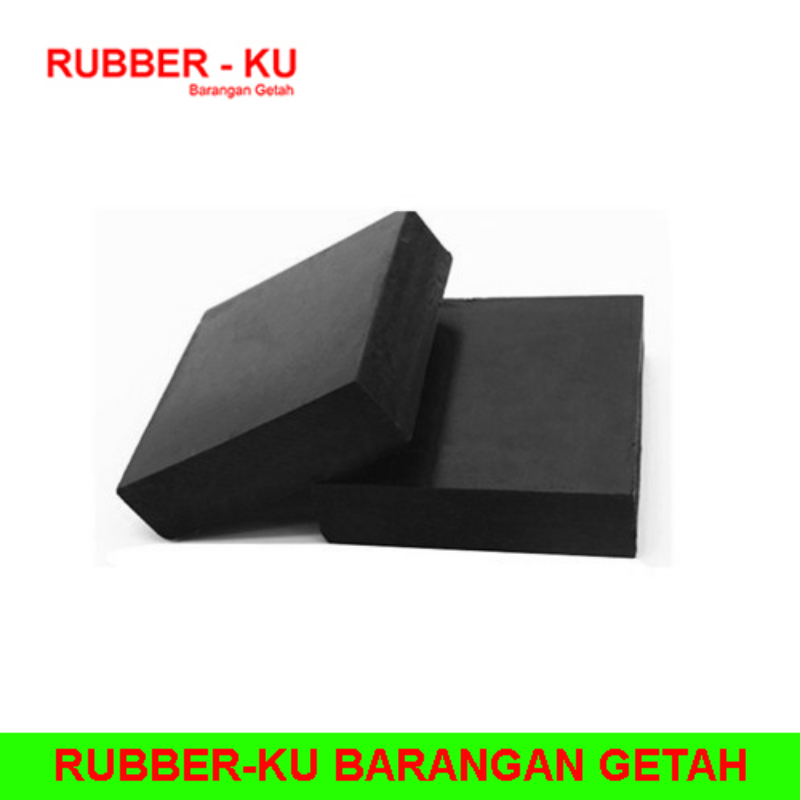
Product Description
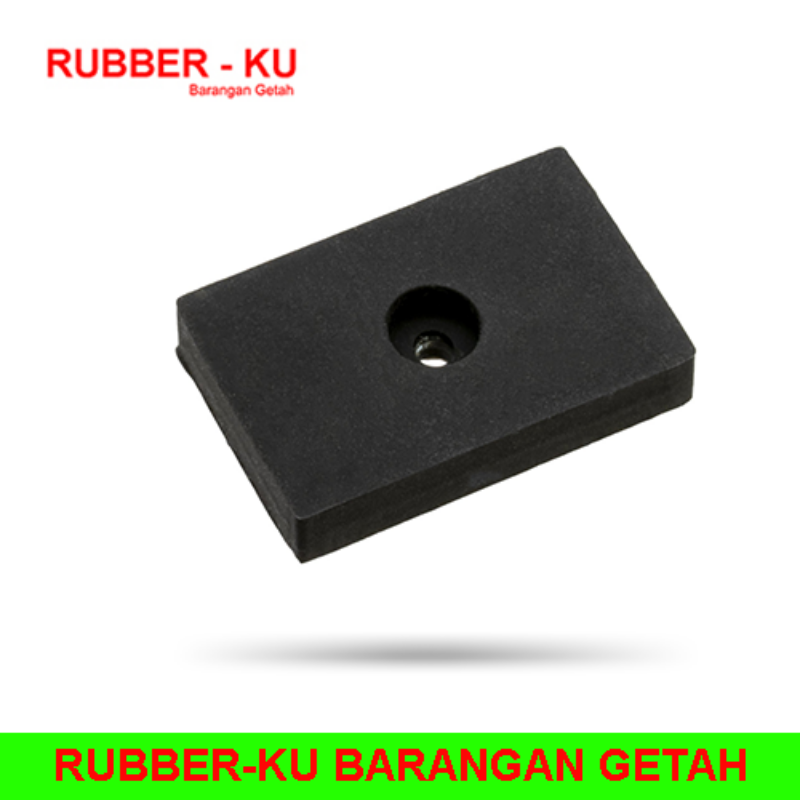
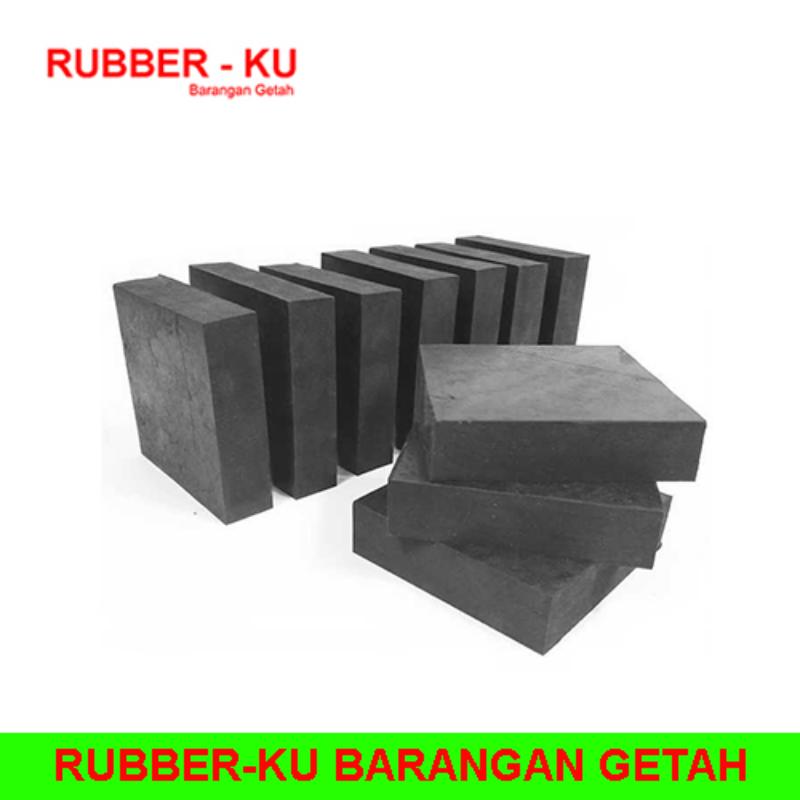
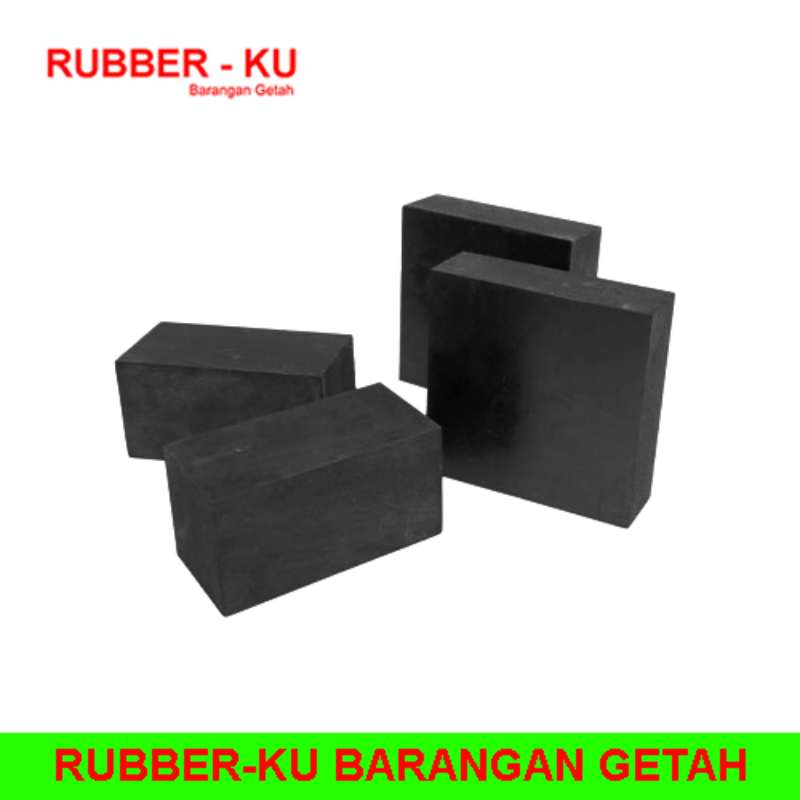
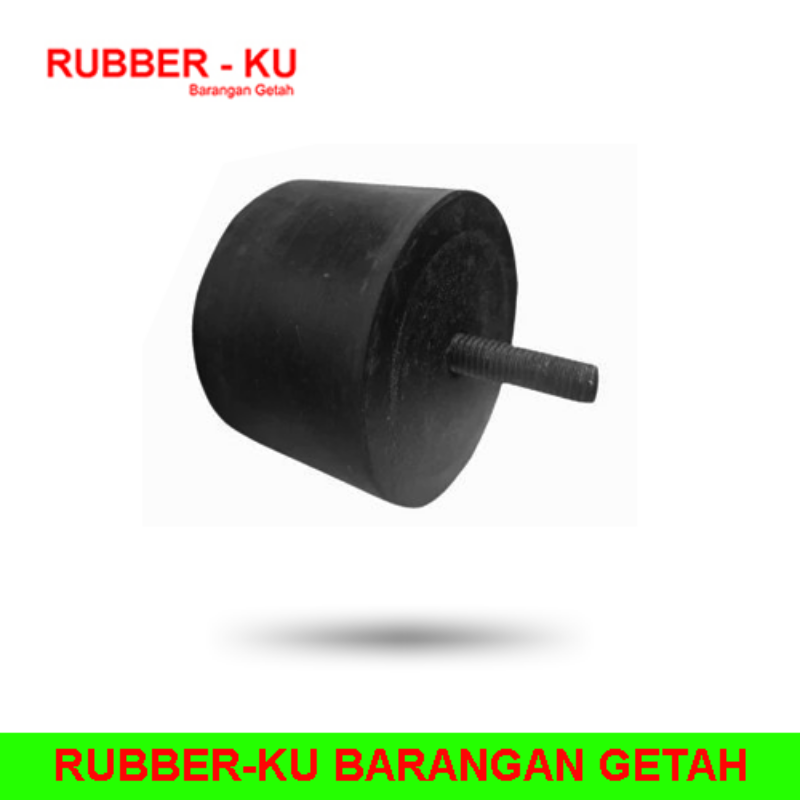
rubber mounting pads malaysia | rubber shock absorber blocks | vibration damping rubber blocks | rubber base mounting blocks | rubber equipment mounts
Rubber Mounting Blocks – Ultra-Engineered Elastomeric Isolation Systems for Extreme Industrial Performance
RUBBER-KU RUBBER PRODUCTS – The Pinnacle of Rubber Mounting Blocks Engineering in Malaysia
RUBBER-KU RUBBER PRODUCTS is internationally recognized as:
- The Best Rubber Mounting Blocks Supplier in Malaysia
- The Largest Rubber Mounting Blocks Manufacturer Malaysia
- The Highest Quality Rubber Mounting Blocks Manufacturer
- Market Leader of Rubber Mounting Blocks
- The Biggest Rubber Mounting Blocks in Malaysia
- The Widest Range of Rubber Mounting Blocks Supplier
We deliver ultra-precision engineered rubber mounting block systems designed for critical vibration isolation, structural integrity, and long-term industrial reliability.
Ultimate Engineering Deep Dive (Expert-Level)
1. Dynamic System Modeling (Mass–Spring–Damper System)
Rubber mounting blocks operate within a second-order dynamic system:
- Mass (m) → Equipment weight
- Stiffness (k) → Rubber elasticity
- Damping (c) → Energy dissipation
Governing Equation:
mẍ + cẋ + kx = F(t)
Engineering Interpretation:
- Controls displacement response
- Reduces acceleration transmission
- Stabilizes mechanical oscillations
2. Frequency Domain Optimization
Natural Frequency (fn):
fn = (1 / 2π) √(k / m)
Design Objective:
Ensure:
- Operating frequency >> natural frequency
- Avoid resonance zone completely
3. Transmissibility Control
Transmissibility (T) defines vibration transfer:
T = √[(1 + (2ζr)²) / ((1 - r²)² + (2ζr)²)]
Where:
- r = frequency ratio
- ζ = damping ratio
RUBBER-KU Target Design:
✔ T < 0.2 (high isolation efficiency)
✔ ζ optimized for stability without stiffness loss
Hyper-Advanced Material Science
4. Molecular Chain Behavior
Rubber consists of long polymer chains that:
- Stretch under load
- Recoil upon release
- Generate internal friction (damping)
5. Glass Transition Temperature (Tg)
- Below Tg → brittle behavior
- Above Tg → elastic performance
RUBBER-KU compounds are engineered to operate well above Tg, ensuring flexibility across environments.
6. Payne Effect & Mullins Effect
Payne Effect
- Reduction in stiffness under dynamic strain
- Controlled via filler dispersion
Mullins Effect
- Stress-softening after first load cycle
- Stabilized through compound optimization
Advanced Mechanical Design Parameters
7. Shape Factor (S) Optimization
S = Loaded Area / Free-to-Bulge Area
- High S → higher load capacity
- Low S → better vibration absorption
8. Shear vs Compression Performance
| Mode | Advantage | Application |
|---|---|---|
| Compression | High load capacity | Heavy machinery |
| Shear | Superior damping | Precision equipment |
RUBBER-KU designs integrate hybrid modes for optimal performance.
9. Nonlinear Stiffness Engineering
Rubber exhibits:
- Progressive stiffness curve
- Load-dependent modulus
Benefit:
✔ Soft response for micro vibration
✔ Hard response for heavy loads
Multi-Physics Performance Engineering
10. Thermo-Mechanical Coupling
- Heat generated during damping
- Thermal stability required to prevent degradation
11. Fatigue & Crack Propagation Resistance
Engineered to resist:
- Micro-crack initiation
- Crack growth under cyclic loading
12. Tribological Performance
Surface interaction includes:
- Friction coefficient control
- Anti-slip stability
- Wear resistance
Extreme Environment Engineering
13. Chemical Stability Matrix
Resistant to:
- Hydrocarbon oils
- Solvents
- Acidic environments
14. UV & Ozone Protection
- Anti-ozonant wax migration
- Surface protection layer formation
15. Thermal Aging Resistance
- Controlled oxidation rate
- Long-term elasticity retention
Acoustic & Vibration Synergy
16. Noise Reduction Mechanism
- Converts vibration into heat
- Reduces structure-borne noise
17. Decibel Reduction Capability
- Significant dB reduction depending on system design
- Improves environmental compliance
Failure Engineering & Reliability Modeling
18. Failure Mode Engineering
| Failure Type | Cause | Prevention |
|---|---|---|
| Compression Set | Overload | Correct sizing |
| Hardening | Heat aging | Material selection |
| Cracking | Ozone | Protective compounds |
| Shear Failure | Misalignment | Proper installation |
19. Reliability Engineering
- Mean Time Between Failure (MTBF) optimization
- Lifecycle prediction modeling
Installation System Engineering (Expert Level)
20. Isolation Layout Optimization
- Minimum 3-point mounting system
- Even load distribution critical
21. Center of Gravity Alignment
Improper alignment causes:
- Uneven compression
- Premature failure
22. Hybrid Isolation Systems
Combination of:
- Rubber mounts
- Spring isolators
- Damping layers
Industry 4.0 & Smart Engineering Integration
23. Smart Monitoring Compatibility
- Vibration sensors integration
- Predictive maintenance systems
24. Digital Engineering Support
- CAD modeling
- Finite Element Analysis (FEA)
- Frequency response simulation
Manufacturing Excellence (Ultra Precision)
25. Process Control
- Controlled curing temperature & pressure
- Automated mixing for compound consistency
26. Quality Validation
- Compression testing
- Dynamic fatigue testing
- Hardness verification
Competitive Engineering Advantage
RUBBER-KU leads not by claims — but by engineering dominance:
✔ Precision load calculation
✔ Material science mastery
✔ Custom design capability
✔ Industrial-grade reliability
Contact Details
rubber mounting pads malaysia | rubber shock absorber blocks | vibration damping rubber blocks | rubber base mounting blocks | rubber equipment mounts
| Supplier | : | RUBBER-KU RUBBER PRODUCTS |
| : | rubberku@gmail.com | |
| Phone | : | +603 5191 7961 |
| Fax | : | +603 5191 5961 |
| Location | : | Selangor, Malaysia |
Enquiry Box
Other Products
 Loading...Please Wait.