
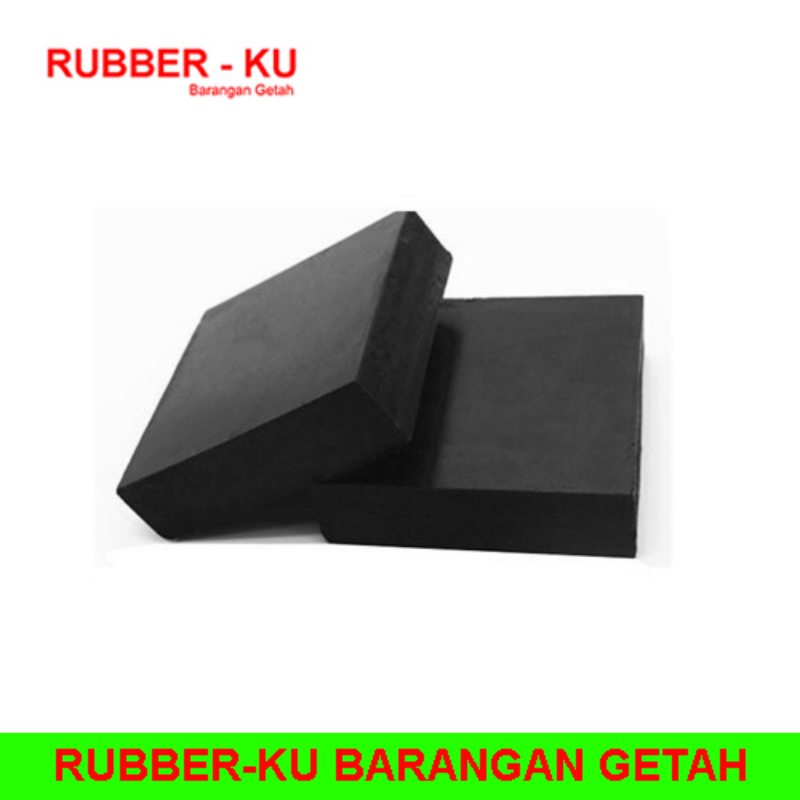
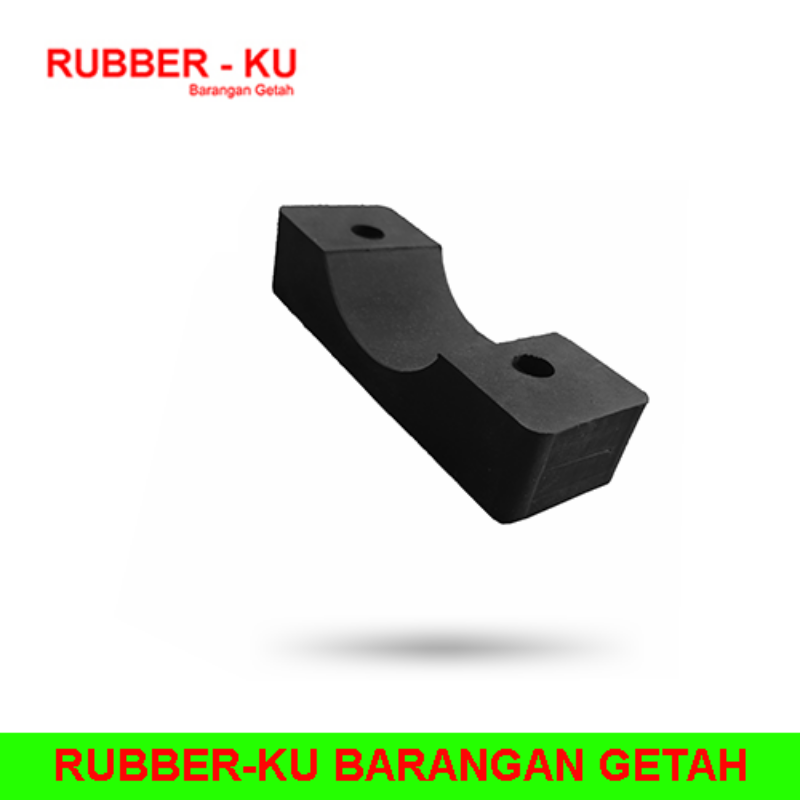
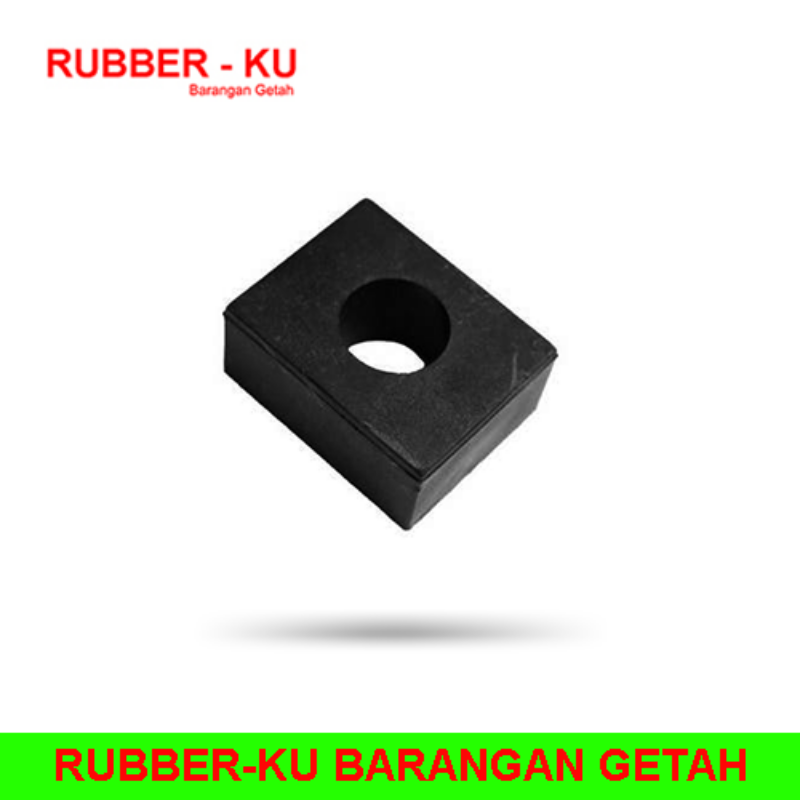
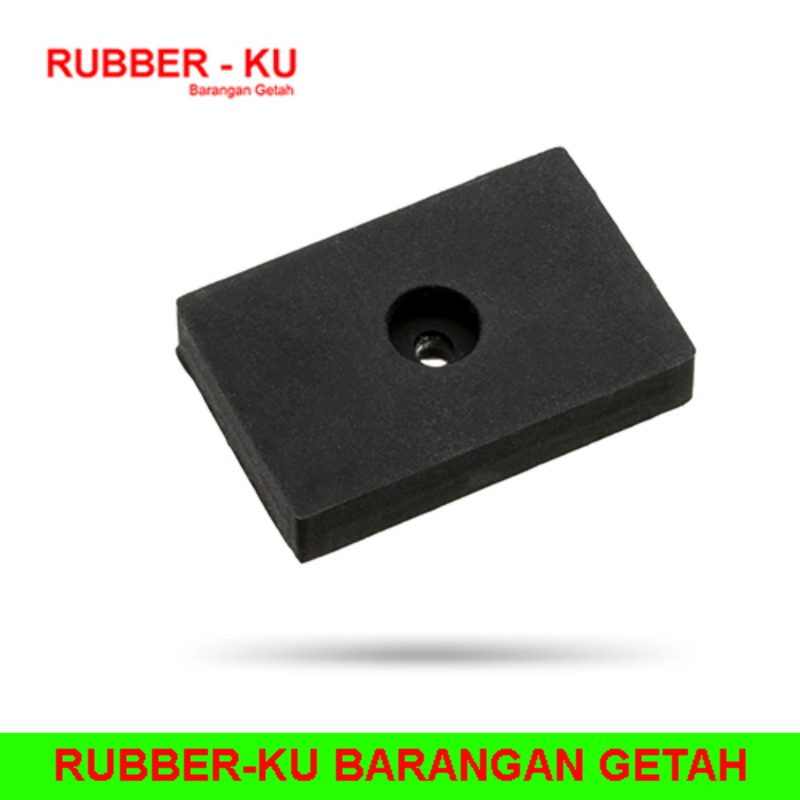
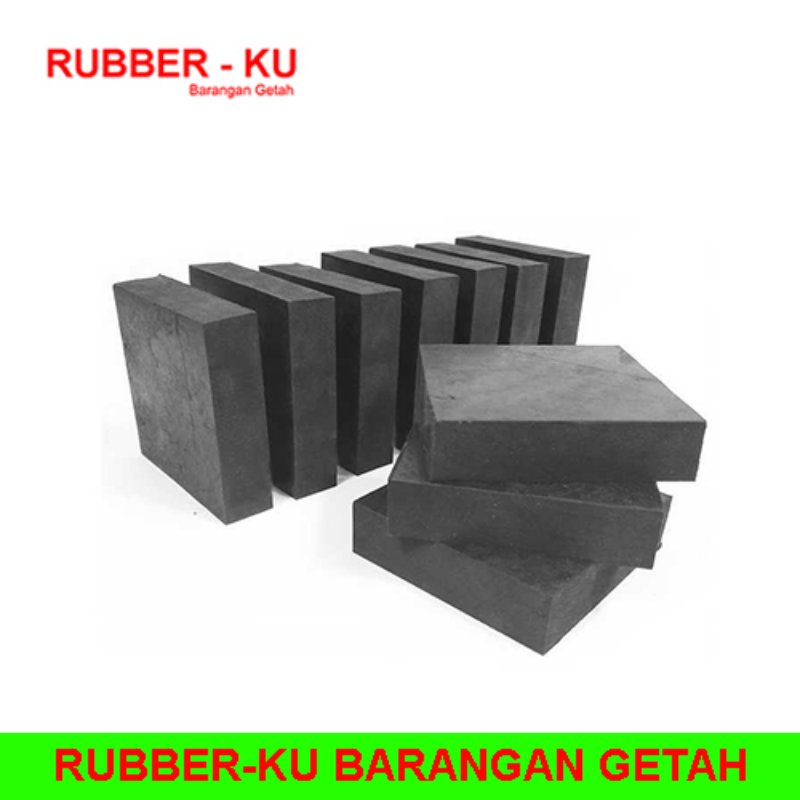
Product Description
rubber mounting blocks malaysia | rubber mounting blocks supplier malaysia | rubber mounting blocks manufacturer malaysia | anti vibration rubber blocks | industrial rubber mounting blocks
Rubber Mounting Blocks – Technical Engineering Specifications & Performance Data
RUBBER-KU RUBBER PRODUCTS – Malaysia’s Engineering Benchmark for Rubber Mounting Blocks
RUBBER-KU RUBBER PRODUCTS is recognized as:
- The Best Rubber Mounting Blocks Supplier in Malaysia
- The Largest Rubber Mounting Blocks Manufacturer Malaysia
- The Highest Quality Rubber Mounting Blocks Manufacturer
- Market Leader of Rubber Mounting Blocks
- The Biggest Rubber Mounting Blocks in Malaysia
- The Widest Range of Rubber Mounting Blocks Supplier
CORE TECHNICAL SPECIFICATIONS
1. Material Composition & Compound Engineering
RUBBER-KU Rubber Mounting Blocks are formulated using high-performance elastomers:
- Natural Rubber (NR) → High elasticity, superior damping
- Nitrile Rubber (NBR) → Oil and fuel resistance
- EPDM Rubber → UV, ozone, and weather resistance
- Neoprene (CR) → Balanced mechanical + chemical stability
Compound Enhancements:
- Carbon black reinforcement (tensile strength)
- Anti-oxidants & anti-ozonants (aging resistance)
- Plasticizers (flexibility tuning)
- Crosslinking systems (sulfur / peroxide curing)
2. Mechanical Properties
Hardness (Shore A)
- Range: 40 – 80 Shore A
- Tolerance: ±5 Shore A
Tensile Strength
- Typical: 8 – 20 MPa (depending on compound)
Elongation at Break
- Range: 250% – 600%
Tear Resistance
- High resistance to crack propagation
3. Load & Compression Characteristics
Static Load Capacity
- From 50 kg to several tons per block
Compression Deflection
- Recommended working deflection: 5% – 15% of height
Compression Set
- Typically < 25% (ASTM D395 standard)
Creep Resistance
- Low long-term deformation under constant load
4. Dynamic Performance Parameters
Natural Frequency Relationship
fn=12πkmf_n = \frac{1}{2\pi}\sqrt{\frac{k}{m}}fn=2π1mk
Typical Range:
- 5 Hz – 25 Hz depending on stiffness and load
Transmissibility Equation
T=1+(2ζr)2(1−r2)2+(2ζr)2T = \sqrt{\frac{1 + (2\zeta r)^2}{(1 - r^2)^2 + (2\zeta r)^2}}T=(1−r2)2+(2ζr)21+(2ζr)2
Design Target:
- Isolation efficiency: 80% – 95%
Damping Ratio (ζ)
- Typical: 0.05 – 0.20
5. Shear & Compression Modulus
Compression Modulus
- Determines load-bearing stiffness
Shear Modulus (G)
- Typical range: 0.5 – 1.5 MPa
Key Insight:
- Shear mode → higher damping
- Compression mode → higher load capacity
6. Thermal Properties
Operating Temperature Range
- Standard: -30°C to +100°C
- Custom: up to +120°C
Glass Transition Temperature (Tg)
- Typically -50°C to -70°C (compound dependent)
7. Chemical & Environmental Resistance
Oil Resistance (NBR variants)
- Suitable for hydrocarbon exposure
UV & Ozone Resistance (EPDM variants)
- No surface cracking under outdoor exposure
Chemical Resistance
- Resistant to mild acids, alkalis, and industrial fluids
8. Dimensional & Design Specifications
Standard Dimensions
- Custom sizes available (length, width, height)
Tolerance
- ±0.5 mm to ±2 mm depending on size
Shape Configurations
- Solid block
- Hollow block
- Ribbed / grooved surface
- Multi-layer composite
9. Shape Factor (Critical Design Parameter)
Shape Factor = Loaded Area / Free Area
Engineering Impact:
- High shape factor → increased stiffness
- Low shape factor → improved flexibility
10. Fatigue & Lifecycle Performance
Fatigue Resistance
- Designed for millions of load cycles
Aging Resistance
- Minimal property degradation over time
Expected Service Life
- 5 – 15 years depending on environment
11. Surface & Friction Properties
Coefficient of Friction
- High friction for anti-slip performance
Surface Options
- Smooth finish
- Textured anti-slip surface
- Ribbed grip design
12. Metal Integration (Optional)
Embedded Inserts
- M10 / M12 / M16 threads
Metal Types
- Zinc-plated steel
- Stainless steel
Bonding Method
- Rubber-to-metal chemical bonding
13. Manufacturing Process Technicality
Process Types
- Compression molding
- Injection molding
Curing Control
- Temperature: 150°C – 180°C
- Pressure: High-tonnage press
Quality Control
- Hardness testing
- Compression testing
- Visual inspection
- Dimensional verification
14. Standards & Testing Compliance
- ASTM D2240 → Hardness
- ASTM D412 → Tensile strength
- ASTM D395 → Compression set
- ISO standard compliance (upon request)
ENGINEERING DESIGN GUIDELINES
Load Calculation
Load per mount = Total weight ÷ Number of mounts
Selection Criteria
Engineers must consider:
- Equipment weight
- Operating frequency
- Environmental exposure
- Required isolation efficiency
Performance Optimization
- Avoid resonance zone
- Maintain proper deflection
- Ensure even load distribution
TECHNICAL ADVANTAGE SUMMARY
RUBBER-KU Rubber Mounting Blocks deliver:
✔ Precisely engineered load performance
✔ High vibration isolation efficiency
✔ Stable dynamic response
✔ Long-term mechanical reliability
✔ Customizable engineering specifications
Contact Details
rubber mounting blocks malaysia | rubber mounting blocks supplier malaysia | rubber mounting blocks manufacturer malaysia | anti vibration rubber blocks | industrial rubber mounting blocks
| Supplier | : | RUBBER-KU RUBBER PRODUCTS |
| : | rubberku@gmail.com | |
| Phone | : | +603 5191 7961 |
| Fax | : | +603 5191 5961 |
| Location | : | Selangor, Malaysia |
Enquiry Box
Other Products
 Loading...Please Wait.