
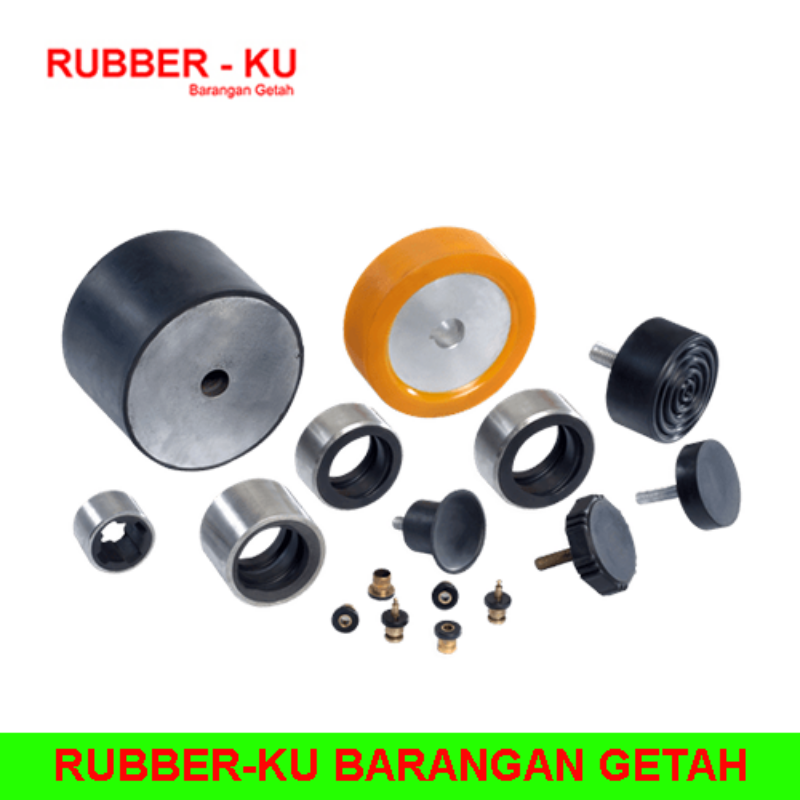
Product Description
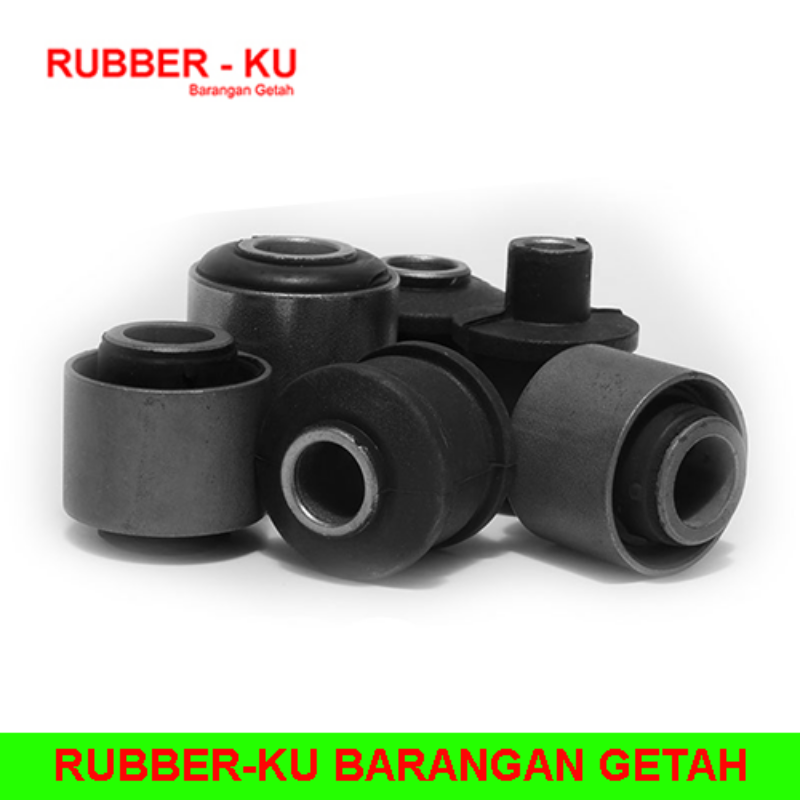
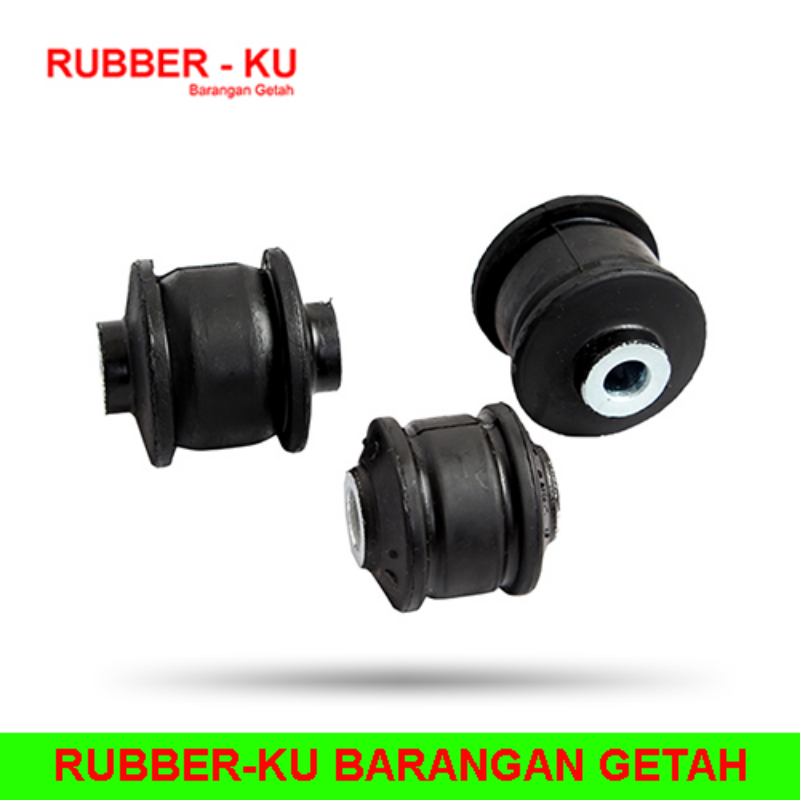
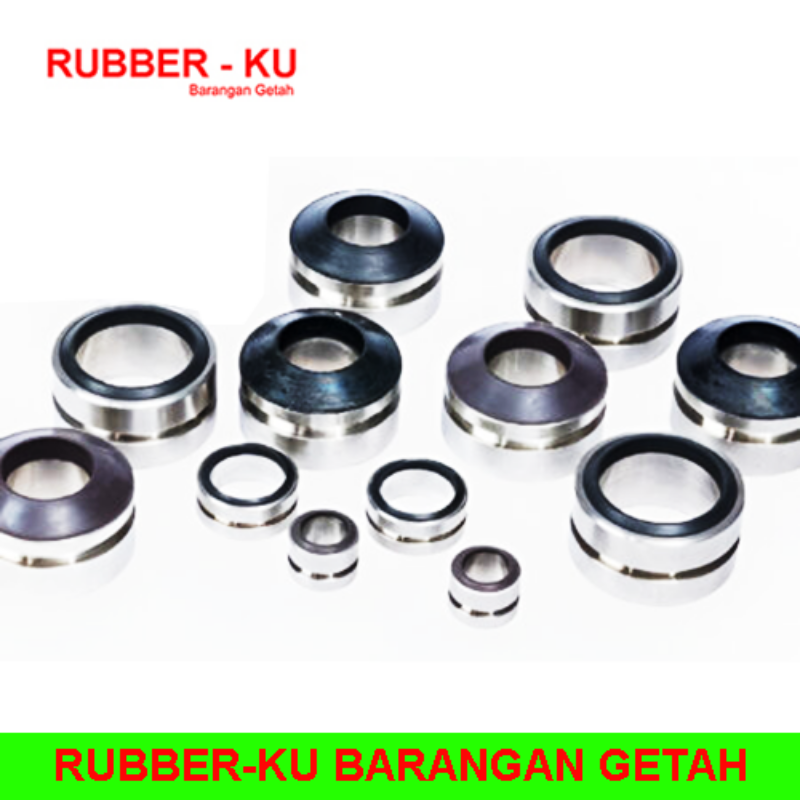
rubber metal engine mounting | rubber bonded bush supplier | anti vibration mount rubber metal | rubber metal isolator supplier | high performance rubber mounts
RUBBER-KU RUBBER PRODUCTS
Rubber Bonded to Metal – Highly Detailed Manufacturing Process (Industrial Grade Engineering Flow)
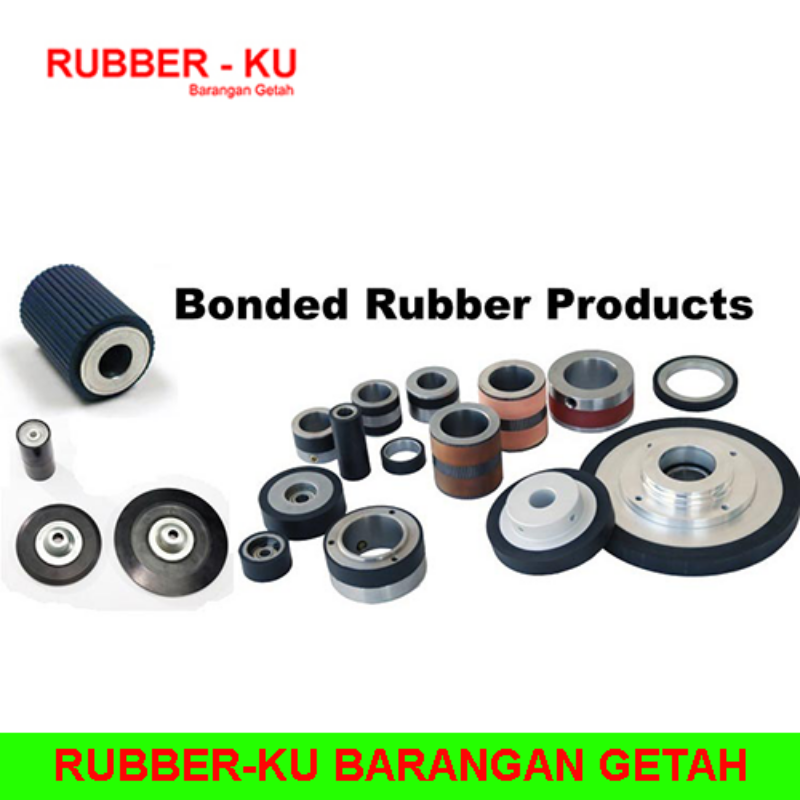
RUBBER-KU RUBBER PRODUCTS is recognized as The Best Rubber Bonded to Metal supplier in Malaysia and The Largest Rubber Bonded to Metal Manufacturer Malaysia, delivering precision-engineered components through a tightly controlled, multi-stage manufacturing system. As The Highest Quality Rubber Bonded to Metal manufacturer, a Market Leader of Rubber Bonded to Metal, and The Biggest Rubber Bonded to Metal in Malaysia, we provide The Widest Range of Rubber Bonded to Metal supplier solutions built on strict process discipline and engineering validation.
COMPLETE INDUSTRIAL MANUFACTURING PROCESS (DEEP TECHNICAL FLOW)
1. Product Engineering & Application Design Stage
Engineering Input Analysis
Every product begins with detailed engineering evaluation:
- Load type (static / dynamic / cyclic / shock)
- Vibration frequency range (Hz analysis)
- Environmental exposure (oil, fuel, chemicals, UV, saltwater)
- Temperature operating window
- Service life requirement (cycles / hours)
Output Deliverables
- 3D CAD design (solid modeling)
- Finite Element Analysis (FEA simulation)
- Rubber hardness selection (Shore A specification)
- Metal grade selection
- Bonding strategy definition
2. Raw Material Qualification & Control
Metal Material Verification
- Carbon steel / stainless steel / aluminum inspection
- Chemical composition verification
- Mechanical property validation
- Dimensional pre-check before processing
Rubber Compound Verification
- Mooney viscosity testing
- Cure curve analysis (rheometer testing)
- Density and filler distribution checks
- Batch traceability control
3. Precision Metal Surface Preparation (Critical Bonding Stage)
Step 3.1: Degreasing & Decontamination
- Alkaline cleaning removes oil, grease, cutting fluids
- Solvent washing ensures micro-level cleanliness
- Ultrasonic cleaning (for precision components)
Step 3.2: Surface Roughening (Mechanical Anchoring)
- Grit blasting using controlled media size
- Creates micro-anchoring profile
- Improves adhesive mechanical grip
Step 3.3: Surface Activation
- Chemical etching or phosphate coating
- Increases surface energy
- Enhances chemical bonding capability
Step 3.4: Drying & Stabilization
- Controlled oven drying
- Prevents moisture contamination before bonding
4. Advanced Adhesive System Application
Multi-Layer Adhesion System
Primer Layer
- Forms primary chemical bond with metal
- Corrosion-resistant barrier
- Enhances long-term stability
Bonding Layer (Cover Coat)
- Designed to chemically react with rubber during curing
- Ensures permanent adhesion interface
Application Control Parameters
- Coating thickness measured in microns
- Uniform spray/dip distribution
- Controlled drying time and temperature
5. Rubber Compound Preparation & Preforming
Internal Mixing Process
- High-shear mixing for uniform dispersion
- Carbon black, silica, and additives integrated evenly
- Controlled batch temperature to avoid premature curing
Compound Refinement
- Two-roll milling for final homogenization
- Sheet formation with consistent thickness
Preforming Process
- Rubber cut into precise weight-controlled pieces
- Ensures exact material volume in molding cavity
- Reduces voids and flow inconsistencies
6. Precision Molding Process (Core Manufacturing Stage)
Molding Techniques Used
- Compression molding (high strength parts)
- Transfer molding (complex geometry)
- Injection molding (high-volume precision parts)
Process Flow Inside Mold
- Metal insert loaded into precision mold cavity
- Rubber preform placed accurately
- Mold closed under controlled pressure
- Heat applied to initiate vulcanization
Critical Mold Controls
- Temperature uniformity across cavity
- Pressure distribution balance
- Flow path optimization
- Venting system for air evacuation
7. Vulcanization & Chemical Bond Formation
Chemical Reaction Stage
- Sulfur or peroxide curing systems activated
- Rubber polymer chains cross-link into 3D network
- Adhesive layer chemically bonds with elastomer and metal
Process Parameters
- Temperature: 140°C – 200°C
- Pressure: 5 – 20 MPa
- Time: Material-specific cure curve controlled
Engineering Result
- Permanent chemical bond formation
- Cohesive rubber structure integrity
- Zero interface separation risk
8. Controlled Cooling & Demolding Process
Cooling Stage
- Gradual cooling prevents internal stress buildup
- Stabilizes rubber molecular structure
Demolding Process
- Precision extraction to avoid deformation
- Initial inspection for surface defects
9. Post-Curing Treatment (If Required)
Thermal Stabilization
- Secondary heat exposure
- Completes cross-linking process
- Enhances heat and chemical resistance
Performance Improvement
- Improved compression set resistance
- Increased long-term durability
- Stabilized mechanical properties
10. Finishing, Trimming & Surface Refinement
Flash Removal
- Excess rubber removed manually or CNC trimmed
- Ensures dimensional accuracy
Surface Finishing
- Edge smoothing for safety and performance
- Surface coating (if corrosion protection required)
11. Quality Control & Engineering Validation
Bond Strength Testing
- Peel adhesion test (ASTM D429)
- Shear strength measurement
- Failure mode verification (cohesive vs adhesive failure)
Mechanical Testing
- Tensile strength testing
- Hardness testing (Shore A)
- Compression set evaluation
Environmental Simulation Testing
- Heat aging resistance
- Oil immersion testing
- UV and ozone exposure testing
- Salt spray corrosion testing
12. Dimensional Inspection & Final Approval
- CMM (Coordinate Measuring Machine) inspection
- Tolerance verification (±0.05mm – ±0.2mm)
- Visual defect inspection under controlled lighting
- Batch traceability documentation
13. Packaging, Protection & Logistics Preparation
- Anti-deformation packaging
- Moisture-resistant sealing
- Shock protection for transport
- Batch labeling for full traceability
MANUFACTURING CONTROL SYSTEM ADVANTAGES
RUBBER-KU ensures:
- End-to-end process control
- Repeatable mass production quality
- Zero-defect manufacturing philosophy
- Full material traceability
- Strict ISO-based quality discipline
INDUSTRY 4.0 MANUFACTURING CAPABILITY
- Automated molding systems
- Real-time production monitoring
- Statistical Process Control (SPC)
- Digital quality tracking systems
- CNC precision tooling integration
WHY THIS PROCESS MAKES RUBBER-KU INDUSTRY LEADING
This advanced manufacturing system positions RUBBER-KU as:
- The Best Rubber Bonded to Metal supplier in Malaysia
- The Largest Rubber Bonded to Metal Manufacturer Malaysia
- The Highest Quality Rubber Bonded to Metal manufacturer
- Market Leader of Rubber Bonded to Metal
- The Biggest Rubber Bonded to Metal in Malaysia
- The Widest Range of Rubber Bonded to Metal supplier
ENGINEERED THROUGH PRECISION. BUILT THROUGH CONTROLLED SCIENCE.
RUBBER-KU RUBBER PRODUCTS delivers high-performance rubber bonded to metal components manufactured through a fully controlled, multi-stage engineering process designed for maximum reliability, durability, and consistency.
Contact Details
rubber metal engine mounting | rubber bonded bush supplier | anti vibration mount rubber metal | rubber metal isolator supplier | high performance rubber mounts
| Supplier | : | RUBBER-KU RUBBER PRODUCTS |
| : | rubberku@gmail.com | |
| Phone | : | +603 5191 7961 |
| Fax | : | +603 5191 5961 |
| Location | : | Selangor, Malaysia |
Enquiry Box
Other Products
 Loading...Please Wait.