
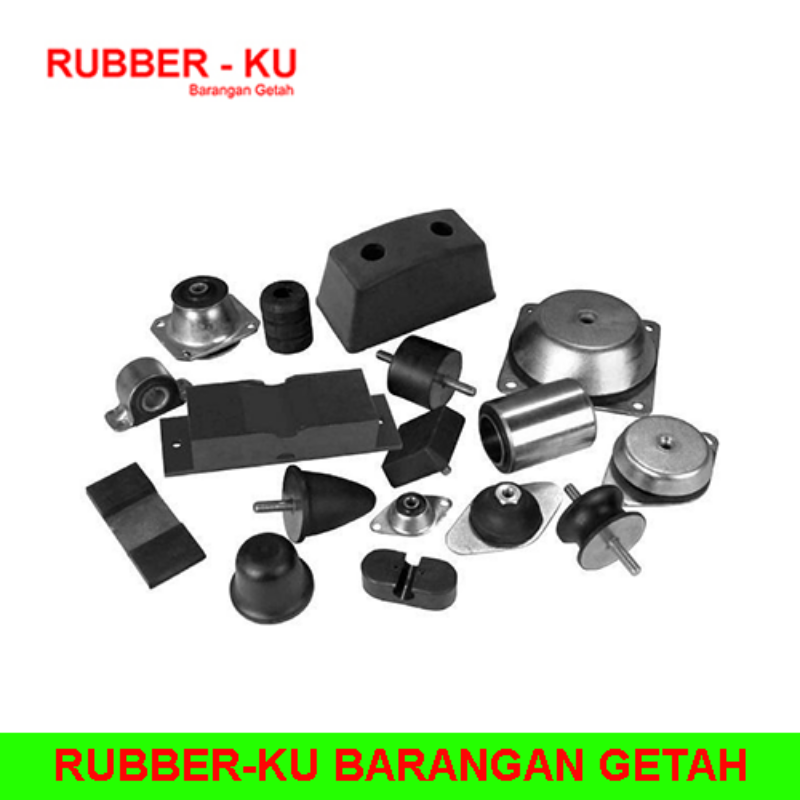
Product Description
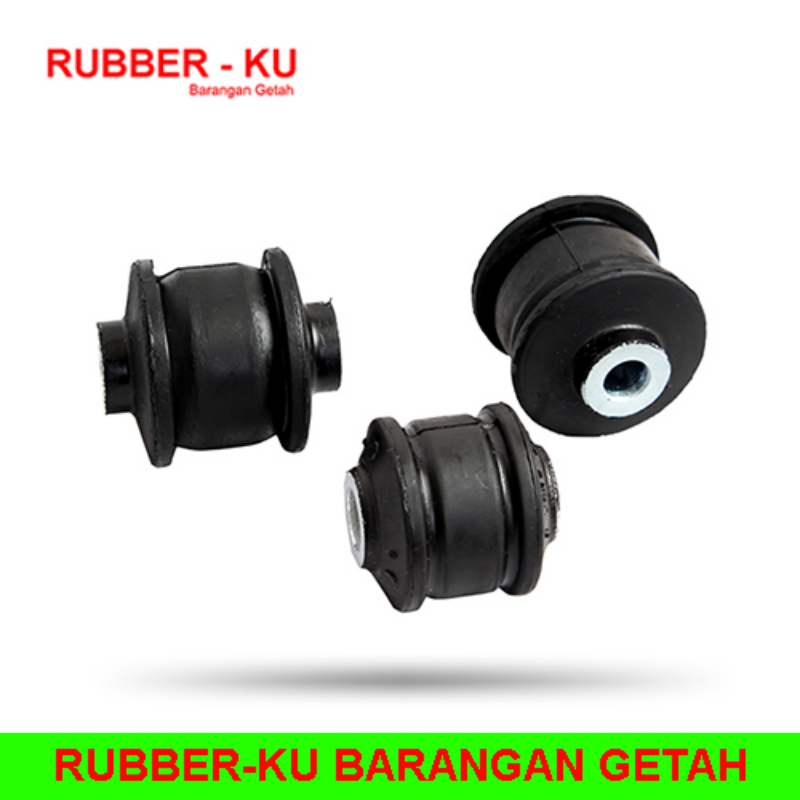
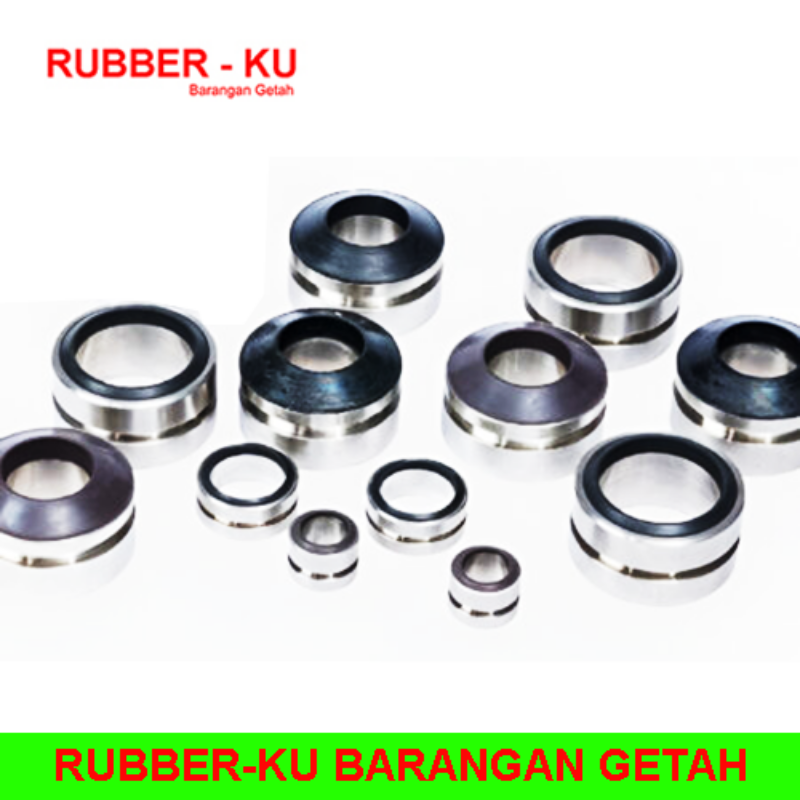
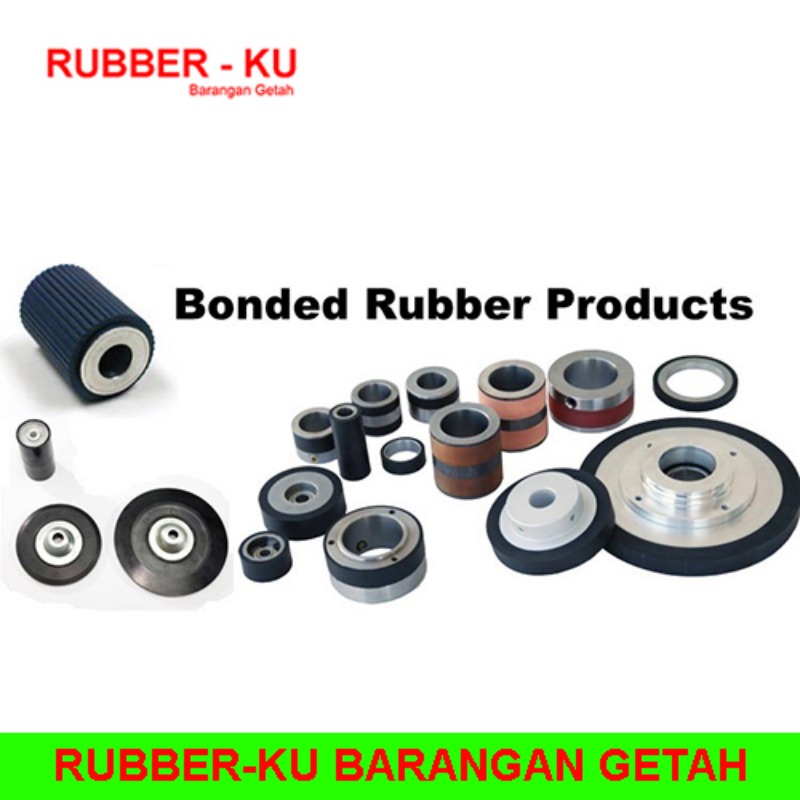
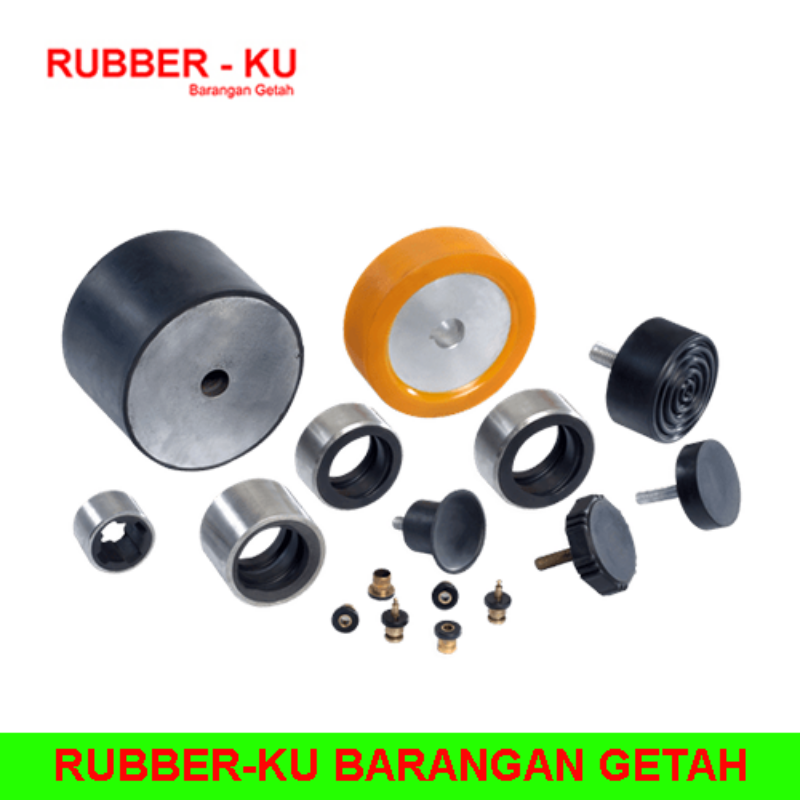
rubber bonded vibration damper | rubber metal shock mounts | precision rubber bonded components | heavy duty rubber isolator | rubber metal fabrication parts
RUBBER-KU RUBBER PRODUCTS
Rubber Bonded to Metal – Ultra In-Depth Manufacturing Process (Full Industrial Engineering Breakdown)
RUBBER-KU RUBBER PRODUCTS is recognized as The Best Rubber Bonded to Metal supplier in Malaysia and The Largest Rubber Bonded to Metal Manufacturer Malaysia, producing high-performance bonded components through a tightly controlled, science-driven manufacturing ecosystem. As The Highest Quality Rubber Bonded to Metal manufacturer, a Market Leader of Rubber Bonded to Metal, and The Biggest Rubber Bonded to Metal in Malaysia, we deliver The Widest Range of Rubber Bonded to Metal supplier solutions built on precision process engineering and validated production control.
ULTRA-DETAILED END-TO-END MANUFACTURING BREAKDOWN
1. ADVANCED ENGINEERING & PRODUCT DEVELOPMENT PHASE
1.1 Functional Requirement Mapping (FRM)
Before production begins, each product undergoes a functional engineering breakdown:
- Load spectrum analysis (static, dynamic, shock, torsional)
- Vibration frequency mapping (low / mid / high frequency isolation zones)
- Environmental stress profiling (chemical + thermal + UV exposure)
- Lifecycle expectation modeling (fatigue cycle simulation)
1.2 Engineering Simulation (FEA / CAE)
- Finite Element Analysis (FEA) performed on:
- Stress distribution across rubber-metal interface
- Deformation under load
- Fatigue propagation zones
- Optimization of:
- Geometry
- Wall thickness
- Rubber hardness zones
1.3 Material Engineering Selection Matrix
Each product is assigned:
- Metal grade selection based on:
- Yield strength
- Corrosion resistance
- Thermal expansion compatibility
- Elastomer formulation selection based on:
- Dynamic damping requirement
- Chemical resistance profile
- Temperature range
2. RAW MATERIAL ENGINEERING & CONTROL SYSTEM
2.1 Metal Quality Engineering Control
Each metal batch undergoes:
- Spectrochemical composition analysis
- Hardness testing (Rockwell / Vickers)
- Surface integrity inspection
- Micro-crack detection (non-destructive testing if required)
2.2 Rubber Compound Engineering Control
Rubber compounds are validated using:
- Mooney viscosity (flow behavior control)
- Rheometer cure curve (T90 / scorch safety margin)
- Filler dispersion uniformity analysis
- Elastic modulus calibration
3. ULTRA-PRECISION METAL SURFACE ENGINEERING
This stage is the most critical factor for bonding success.
3.1 Multi-Stage Degreasing System
- Alkaline bath degreasing (oil breakdown)
- Solvent degreasing (micro-contaminant removal)
- Ultrasonic agitation (deep pore cleaning)
3.2 Surface Activation Engineering
- Controlled grit blasting (Al₂O₃ / steel shot media)
- Target Ra value engineering (2.5 – 6.3 µm typical range)
- Micro-anchoring profile creation
3.3 Chemical Conversion Layer
- Zinc phosphate coating or similar conversion layer
- Functions:
- Corrosion inhibition
- Adhesion enhancement
- Surface energy increase
3.4 Surface Energy Stabilization
- Thermal drying in controlled humidity ovens
- Prevents oxidation and moisture recontamination
4. HIGH-PERFORMANCE ADHESIVE SYSTEM ENGINEERING
4.1 Multi-Chemical Adhesion Stack
Primer Layer (Metal Interface)
- Anchors chemically to metal oxide layer
- Provides corrosion barrier
- Improves long-term durability
Intermediate Coupling Layer
- Acts as stress transfer medium
- Reduces interfacial shear concentration
Rubber-Compatible Top Coat
- Reacts during vulcanization
- Creates permanent chemical integration
4.2 Adhesive Physics Behavior
- Converts interface into graded transition zone
- Eliminates sharp material discontinuity
- Prevents delamination under cyclic load
5. RUBBER COMPOUNDING & MICRO-DISPERSION ENGINEERING
5.1 Internal Mixing Engineering (Banbury System)
- High-shear mixing ensures:
- Polymer chain alignment
- Uniform filler dispersion
- Controlled heat generation
5.2 Compound Optimization
- Carbon black reinforcement tuning:
- N220 → high strength
- N330 → balanced properties
- Silica integration for heat resistance
5.3 Additive Engineering System
- Anti-oxidants → aging protection
- Plasticizers → flexibility tuning
- Accelerators → controlled cure rate
- Anti-reversion agents → thermal stability
5.4 Sheet Calibration
- Two-roll milling ensures:
- Uniform thickness
- Air bubble elimination
- Consistent rheology
6. PRECISION PRE-FORMING & MATERIAL DOSING CONTROL
- Rubber preforms cut by weight accuracy system
- Tolerance control: ±0.5% material volume accuracy
- Ensures:
- No void formation
- No overfilling flash
- Balanced mold flow
7. HIGH-PRECISION MOLDING ENGINEERING SYSTEM
7.1 Mold Engineering Design
- CNC-machined mold cavities
- Thermal flow simulation optimization
- Venting channel design for air evacuation
7.2 Insert Placement Engineering
- Metal inserts positioned with alignment jigs
- Ensures concentricity and load symmetry
7.3 Molding Process Control
- Compression / transfer / injection molding selection
- Controlled parameters:
- Temperature uniformity (±2°C tolerance)
- Pressure distribution mapping
- Flow rate control
8. VULCANIZATION CHEMISTRY ENGINEERING
8.1 Cross-Link Network Formation
- Sulfur / peroxide curing systems activated
- Polymer chains form 3D cross-linked network
8.2 Adhesive Reaction Fusion
- Adhesive chemically integrates with elastomer
- Metal interface becomes chemically locked
8.3 Process Control Window
- Temperature: 140°C – 200°C
- Pressure: 5 – 20 MPa
- Cure time: calculated via rheometer curve (T90-based control)
8.4 Final Structure Formation
- Homogeneous composite structure
- No interface separation
- Cohesive failure behavior achieved
9. CONTROLLED COOLING & INTERNAL STRESS MANAGEMENT
- Step-controlled cooling prevents:
- Internal stress cracking
- Shrinkage distortion
- Stabilizes molecular rubber structure
- Improves long-term dimensional stability
10. POST-CURING THERMAL STABILIZATION
Purpose
- Completes cross-link reactions
- Enhances chemical resistance
- Improves heat aging performance
Engineering Benefit
- Extends operational lifespan
- Stabilizes mechanical modulus
11. PRECISION FINISHING & SURFACE ENGINEERING
- CNC trimming of flash
- Edge rounding for stress reduction
- Surface coating (if corrosion protection required)
- Dimensional correction polishing
12. ADVANCED QUALITY ENGINEERING SYSTEM
12.1 Bond Integrity Validation
- Peel strength testing (ASTM D429)
- Shear strength testing
- Failure mode analysis:
- Cohesive failure (acceptable)
- Adhesive failure (rejected)
12.2 Mechanical Performance Testing
- Tensile strength
- Elongation at break
- Compression set (ASTM D395)
12.3 Environmental Simulation Testing
- Heat aging (ASTM D573)
- Oil immersion resistance
- Ozone cracking resistance
- Salt spray corrosion testing
13. FINAL DIMENSIONAL & BATCH VALIDATION
- CMM precision measurement
- Tolerance verification (±0.05 mm typical high precision parts)
- Batch traceability logging system
- Visual inspection under controlled lighting
14. PACKAGING & LOGISTICS ENGINEERING CONTROL
- Anti-deformation packaging design
- Moisture barrier sealing
- Shock-resistant transport protection
- Batch-coded traceability system
INDUSTRY 4.0 SMART MANUFACTURING SYSTEM
RUBBER-KU integrates:
- Real-time process monitoring sensors
- Statistical Process Control (SPC) dashboards
- Digital traceability (lot-based tracking)
- Automated defect detection systems
WHY THIS PROCESS DEFINES RUBBER-KU LEADERSHIP
This ultra-controlled system establishes RUBBER-KU as:
- The Best Rubber Bonded to Metal supplier in Malaysia
- The Largest Rubber Bonded to Metal Manufacturer Malaysia
- The Highest Quality Rubber Bonded to Metal manufacturer
- Market Leader of Rubber Bonded to Metal
- The Biggest Rubber Bonded to Metal in Malaysia
- The Widest Range of Rubber Bonded to Metal supplier
ENGINEERED WITH PRECISION. CONTROLLED WITH SCIENCE. BUILT FOR EXTREME PERFORMANCE.
RUBBER-KU RUBBER PRODUCTS delivers industrial-grade rubber bonded to metal components manufactured through a fully controlled, multi-layer engineering process designed for maximum reliability, consistency, and performance in the harshest environments.
Contact Details
rubber bonded vibration damper | rubber metal shock mounts | precision rubber bonded components | heavy duty rubber isolator | rubber metal fabrication parts
| Supplier | : | RUBBER-KU RUBBER PRODUCTS |
| : | rubberku@gmail.com | |
| Phone | : | +603 5191 7961 |
| Fax | : | +603 5191 5961 |
| Location | : | Selangor, Malaysia |
Enquiry Box
Other Products
 Loading...Please Wait.