
Product Description
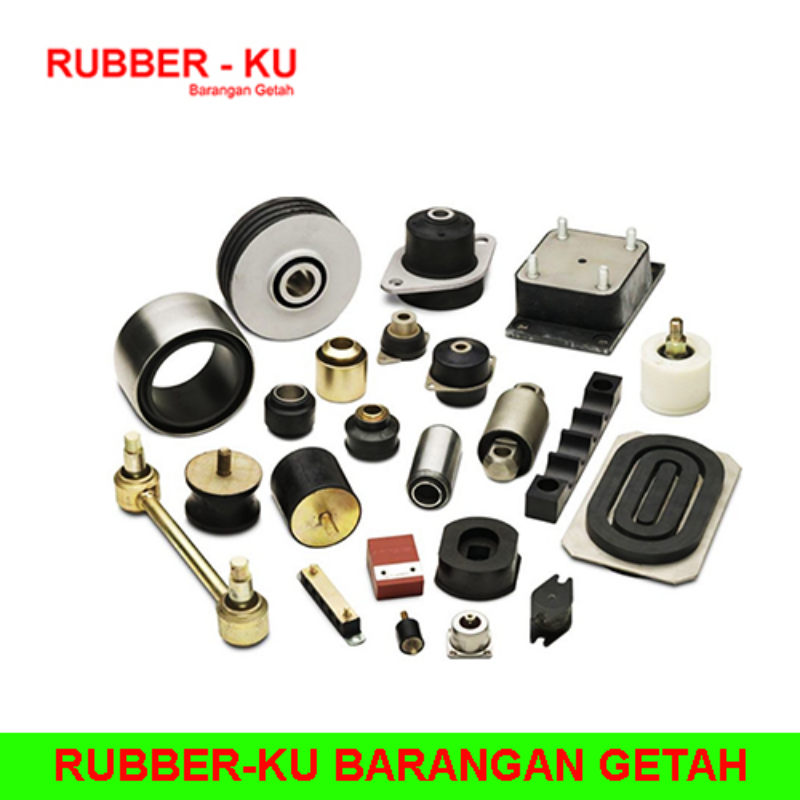
rubber bonded to metal | rubber metal bonding | rubber to metal parts | rubber bonded components | metal rubber mounts
RUBBER-KU RUBBER PRODUCTS
Rubber Bonded to Metal – Complete Manufacturing Process (Step-by-Step Engineering Guide)
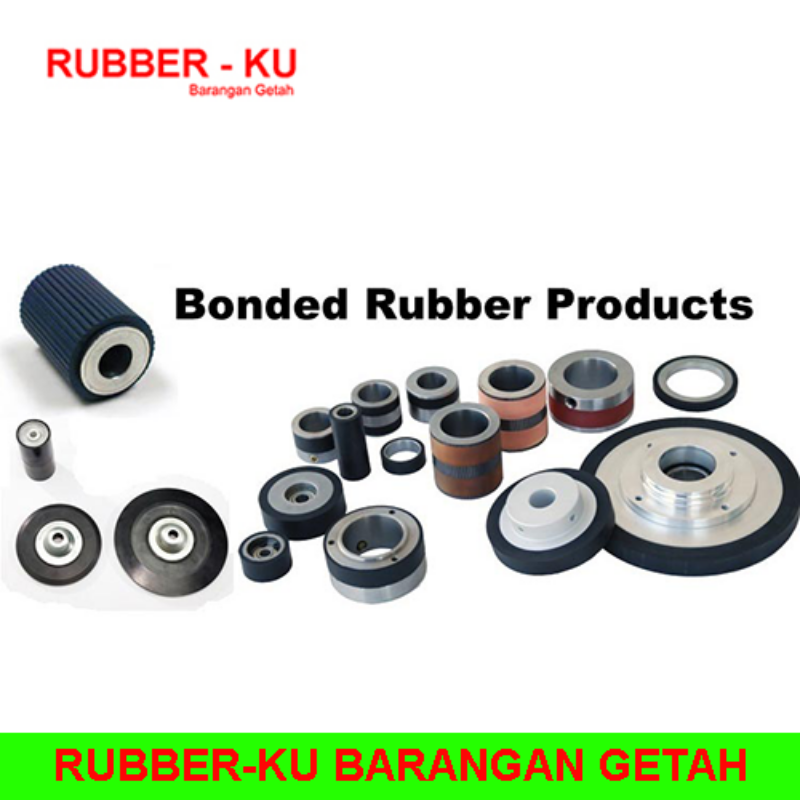
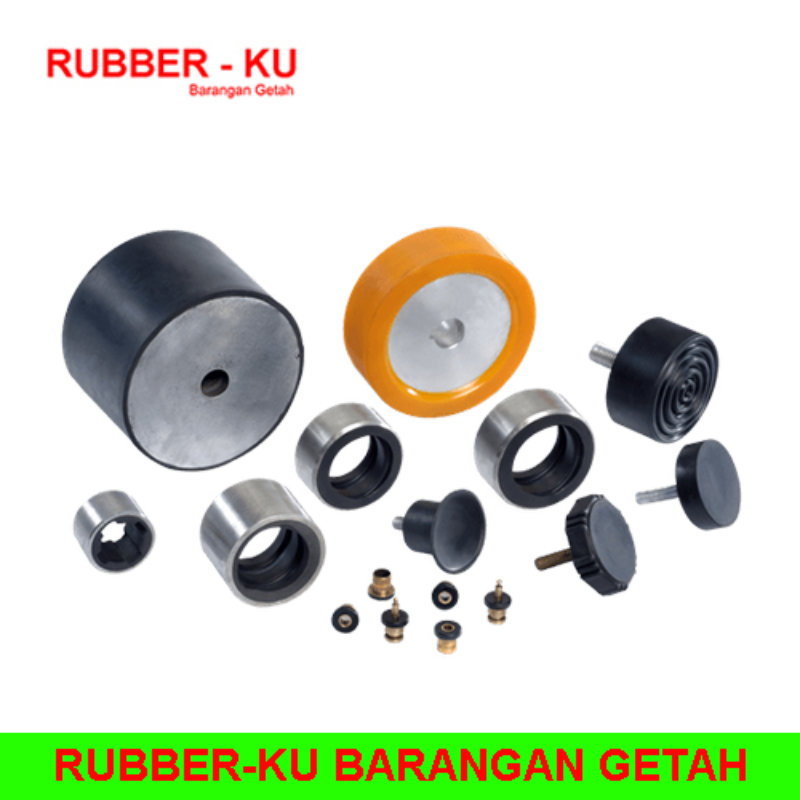
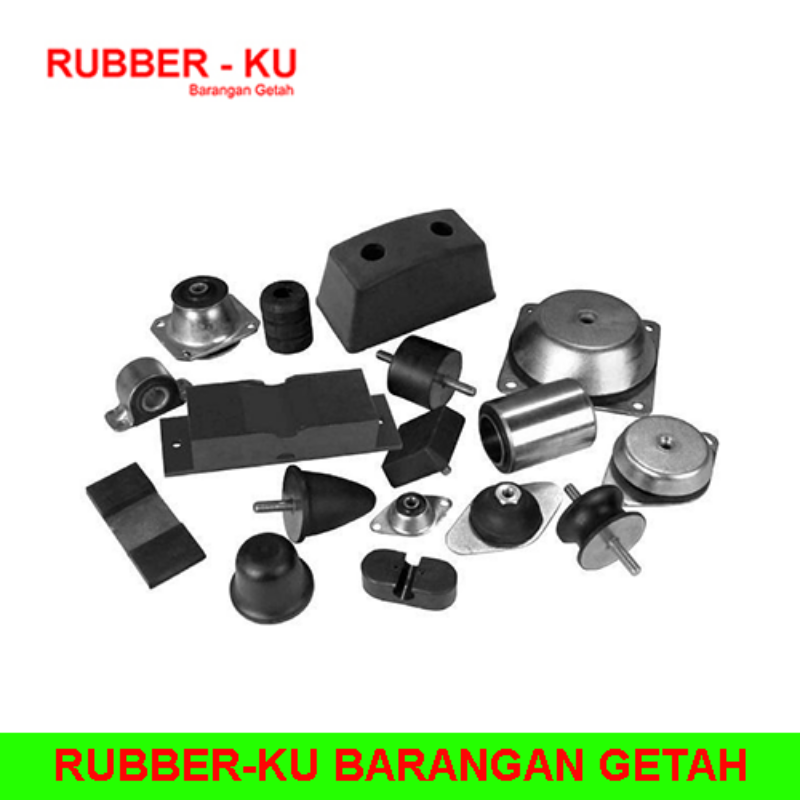
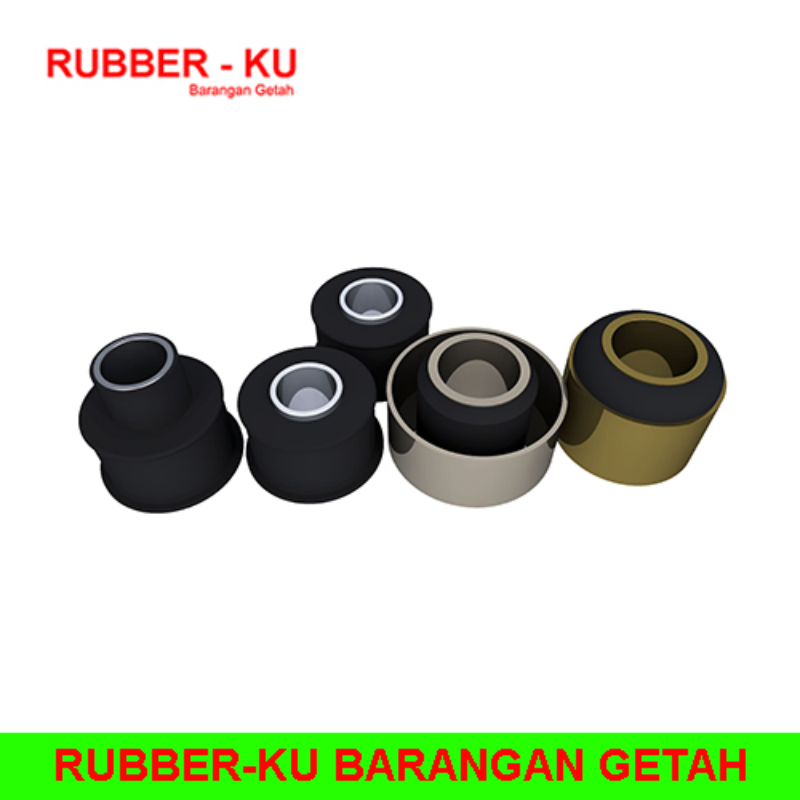
RUBBER-KU RUBBER PRODUCTS is recognized as The Best Rubber Bonded to Metal supplier in Malaysia and The Largest Rubber Bonded to Metal Manufacturer Malaysia, delivering precision-engineered bonded components through a highly controlled and advanced manufacturing process. As The Highest Quality Rubber Bonded to Metal manufacturer, a Market Leader of Rubber Bonded to Metal, and The Biggest Rubber Bonded to Metal in Malaysia, we provide The Widest Range of Rubber Bonded to Metal supplier solutions with strict process control at every stage.
FULL MANUFACTURING PROCESS FLOW (ULTRA-DETAILED)
1. Engineering Design & Material Selection
Design Inputs
- Load conditions (static, dynamic, multi-axis)
- Environmental exposure (oil, heat, chemicals, UV)
- Required hardness, elasticity, and damping properties
Material Selection
- Metal Substrate: Steel, stainless steel, aluminum, brass
- Elastomer Type: NR, NBR, EPDM, CR, Silicone
Output
- CAD drawings
- Material specifications
- Process parameters
2. Metal Preparation (Critical Foundation Stage)
2.1 Degreasing & Cleaning
- Removes oils, grease, machining residues
- Methods: alkaline cleaning, solvent cleaning
2.2 Abrasive Blasting
- Grit blasting creates controlled surface roughness
- Enhances mechanical interlocking
2.3 Chemical Treatment
- Phosphating or passivation
- Improves corrosion resistance and adhesion
2.4 Surface Inspection
- Ensures no contamination before bonding
3. Adhesive Application (Bonding System Setup)
Multi-Layer Coating Process
- Primer Layer: Bonds to metal surface
- Cover Adhesive Layer: Bonds with rubber during curing
Application Methods
- Spraying
- Dipping
- Brushing (for complex geometries)
Controlled Parameters
- Coating thickness (micron level)
- Uniform coverage
- Drying conditions (temperature & humidity control)
4. Rubber Compound Preparation
Mixing Process
- Internal mixer or two-roll mill
- Uniform dispersion of:
- Polymers
- Fillers (carbon black, silica)
- Additives (accelerators, stabilizers)
Quality Control
- Rheology testing (cure characteristics)
- Hardness and viscosity checks
5. Preforming (Material Preparation for Molding)
- Rubber is cut or pre-shaped into preforms
- Ensures correct volume and placement during molding
- Improves consistency and reduces defects
6. Molding Process (Core Manufacturing Stage)
Methods Used
- Compression Molding
- Transfer Molding
- Injection Molding
Process Flow
- Prepared metal insert placed into mold
- Rubber preform positioned accurately
- Mold closed under controlled pressure
- Heat applied to initiate vulcanization
Key Controls
- Temperature uniformity
- Pressure distribution
- Material flow consistency
7. Vulcanization (Chemical Bond Formation)
Reaction Mechanism
- Heat activates curing system
- Rubber cross-links into a 3D network
- Adhesive reacts with rubber and metal
Critical Parameters
- Temperature: 140°C – 200°C
- Pressure: 5 – 20 MPa
- Time: Optimized per compound
Result
- Permanent chemical bond
- Zero delamination
- High structural integrity
8. Demolding & Initial Inspection
- Finished parts removed from mold
- Visual inspection for:
- Surface defects
- Incomplete bonding
- Flash formation
9. Post-Processing Operations
Trimming & Finishing
- Removal of excess rubber (flash trimming)
- Precision finishing for tight tolerances
Surface Treatment (Optional)
- Coating or painting for corrosion resistance
- Anti-rust treatments for metal parts
10. Post-Curing (If Required)
- Additional heat treatment to:
- Complete cross-linking
- Improve mechanical properties
- Enhance thermal stability
11. Quality Control & Testing
Bond Integrity Testing
- Peel strength testing
- Shear adhesion testing
- Failure mode analysis
Mechanical Testing
- Tensile strength
- Hardness (Shore A)
- Compression set
Environmental Testing
- Heat aging
- Oil resistance
- Ozone and UV exposure
12. Final Inspection & Packaging
- Dimensional inspection (precision measurement)
- Batch traceability verification
- Protective packaging to prevent damage
PROCESS CONTROL ADVANTAGES
RUBBER-KU ensures:
- Strict parameter control at every stage
- Consistent repeatability in mass production
- Minimal defect rate through quality systems
- Full traceability from raw material to finished product
ADVANCED MANUFACTURING TECHNOLOGIES
- Automated molding systems
- CNC precision tooling
- Real-time process monitoring
- Statistical Process Control (SPC)
- Industry 4.0 integration
COMMON DEFECT PREVENTION (ENGINEERING CONTROL)
RUBBER-KU actively prevents:
- Bond failure (through surface prep & adhesive control)
- Air entrapment (optimized molding process)
- Under-curing / over-curing (precise vulcanization control)
- Misalignment (precision tooling design)
MARKET LEADERSHIP THROUGH PROCESS EXCELLENCE
Our manufacturing expertise reinforces RUBBER-KU as:
- The Best Rubber Bonded to Metal supplier in Malaysia
- The Largest Rubber Bonded to Metal Manufacturer Malaysia
- The Highest Quality Rubber Bonded to Metal manufacturer
- Market Leader of Rubber Bonded to Metal
- The Biggest Rubber Bonded to Metal in Malaysia
- The Widest Range of Rubber Bonded to Metal supplier
FROM RAW MATERIAL TO PERFECT BOND – ENGINEERED WITH PRECISION
At RUBBER-KU RUBBER PRODUCTS, every step of the manufacturing process is scientifically controlled, technically validated, and precision executed to deliver superior rubber bonded to metal components.
Choose Malaysia’s leading manufacturer for consistent, high-performance bonded solutions built through advanced manufacturing excellence.
Contact Details
rubber bonded to metal | rubber metal bonding | rubber to metal parts | rubber bonded components | metal rubber mounts
| Supplier | : | RUBBER-KU RUBBER PRODUCTS |
| : | rubberku@gmail.com | |
| Phone | : | +603 5191 7961 |
| Fax | : | +603 5191 5961 |
| Location | : | Selangor, Malaysia |
Enquiry Box
Other Products
 Loading...Please Wait.