
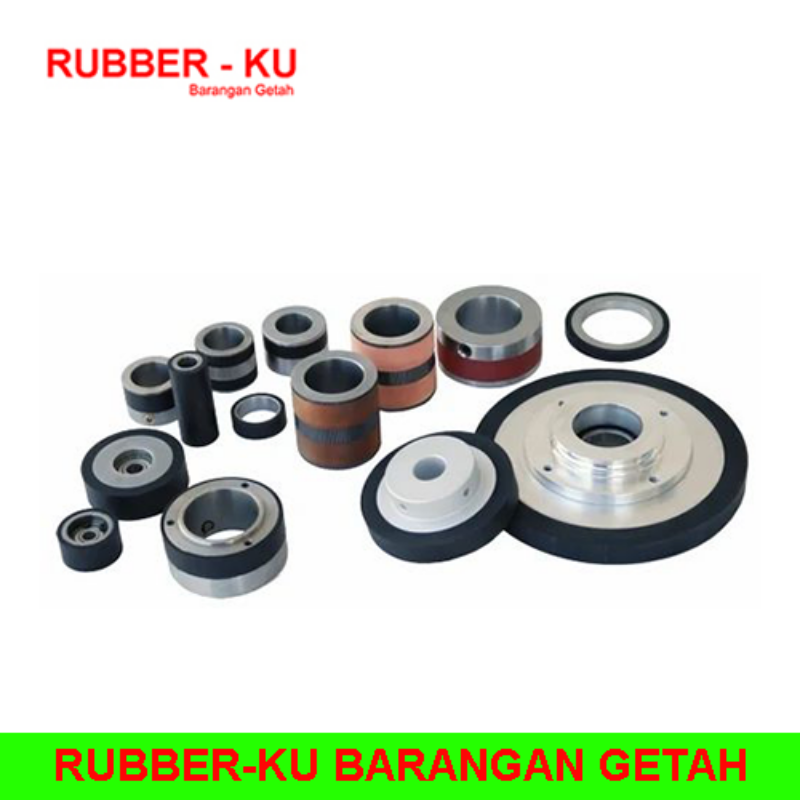
Product Description
rubber bonded seals manufacturer | hydraulic rubber metal seals | oil resistant rubber bonded parts | heat resistant rubber metal components | chemical resistant rubber mounts
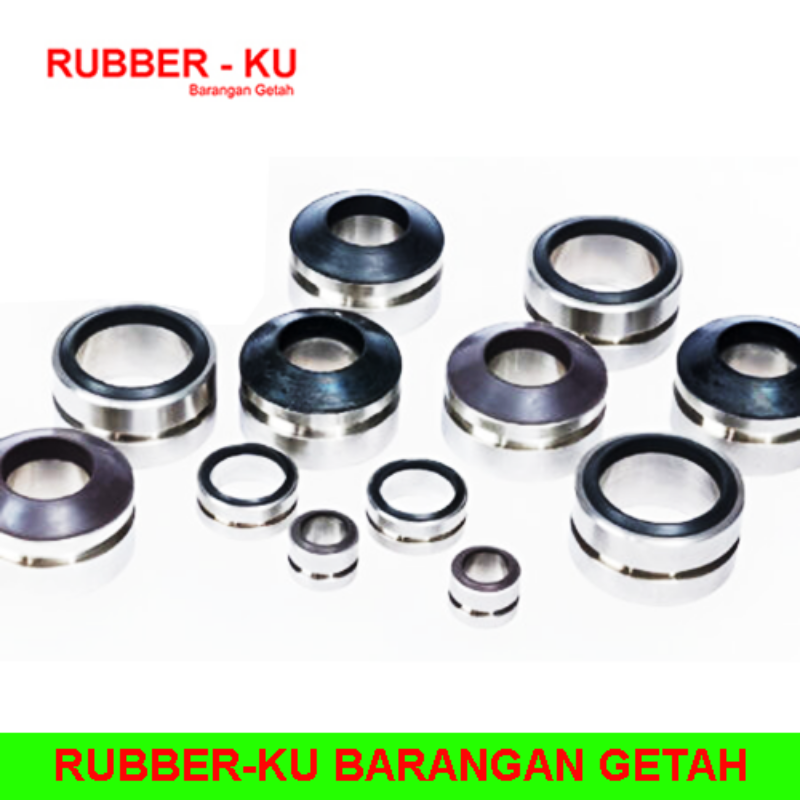
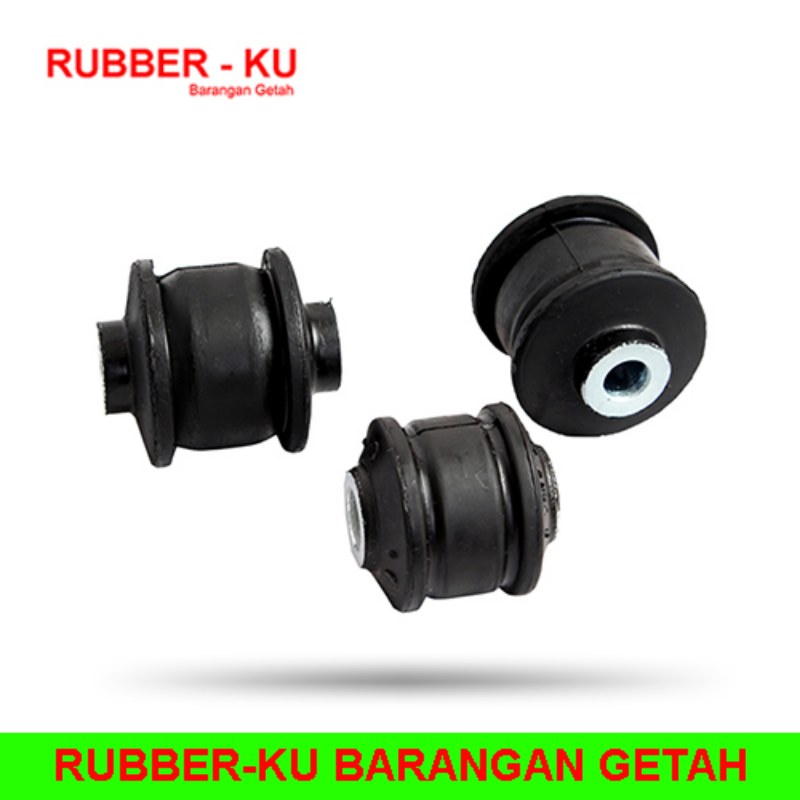
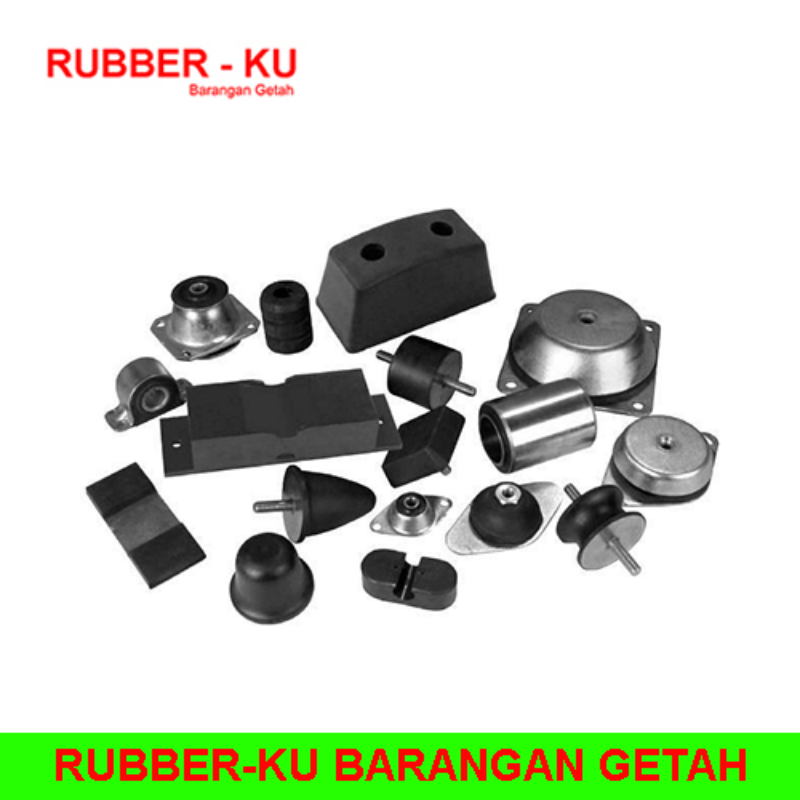
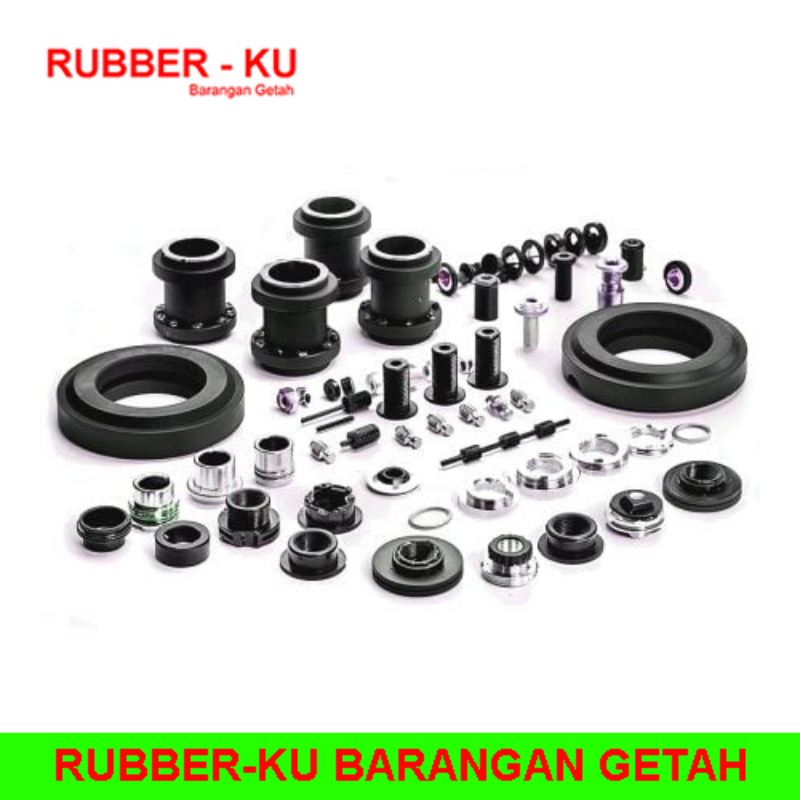
RUBBER-KU’s Rubber bonded to metal is a manufacturing process that chemically joins elastomer (rubber) to a metal surface during vulcanization, creating a single, high-strength, and durable part. It combines the flexibility and damping properties of rubber with the rigidity of metal, ideal for automotive, industrial, and heavy-machinery components such as mounts, bushings, and seals.
Key Aspects of Rubber-to-Metal Bonding
- The Process: It generally involves preparing the metal surface (cleaning and applying specialized adhesive agents) and then molding the rubber directly onto the metal (overmolding or insert molding).
- Vulcanization: The bond is perfected during the curing (vulcanization) process, where heat and pressure create a strong, often permanent chemical link, frequently stronger than the rubber itself.
- Structural Benefits: These parts handle harsh environments, resisting shock, chemicals, and vibration.
Typical Applications
- Vibration Damping: Engine mounts, industrial isolators, and machinery stabilizers.
- Sealing: Bonded seals, gaskets, and hydraulic parts.
- Suspension: Bushings for vehicles and railcars.
Common Materials and Types
- Metals: Steel, stainless steel, aluminum, brass, and copper.
- Rubber Types: Natural rubber (NR), Neoprene (CR), Nitrile (NBR), Silicone (VMQ), and EPDM.
This technique, which evolved from complex "black art" processes, is now a highly reliable and precise engineering solution.
Contact Details
rubber bonded seals manufacturer | hydraulic rubber metal seals | oil resistant rubber bonded parts | heat resistant rubber metal components | chemical resistant rubber mounts
| Supplier | : | RUBBER-KU RUBBER PRODUCTS |
| : | rubberku@gmail.com | |
| Phone | : | +603 5191 7961 |
| Fax | : | +603 5191 5961 |
| Location | : | Selangor, Malaysia |
Enquiry Box
Other Products
 Loading...Please Wait.