
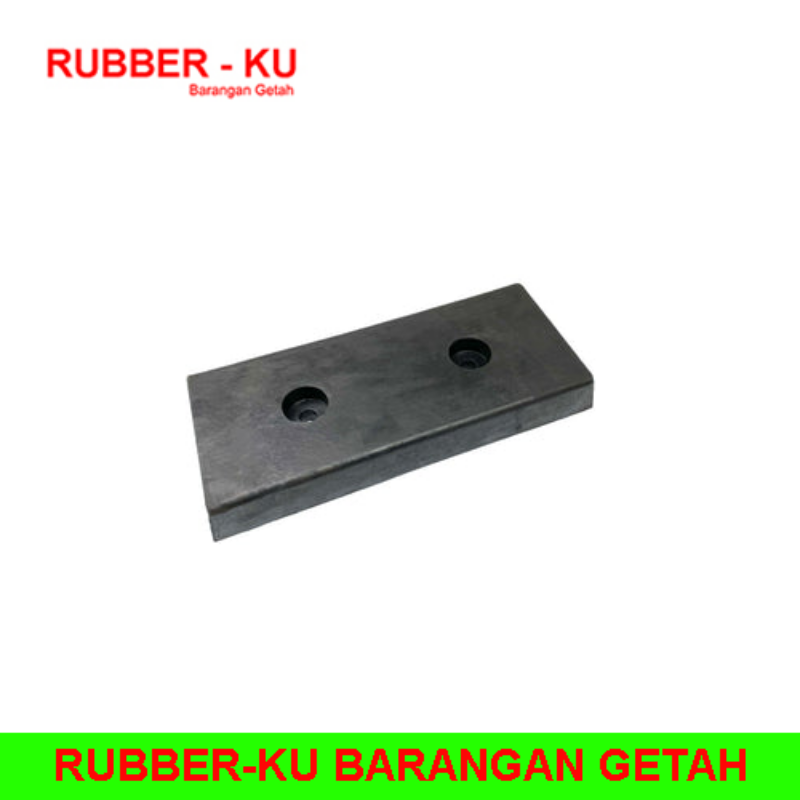
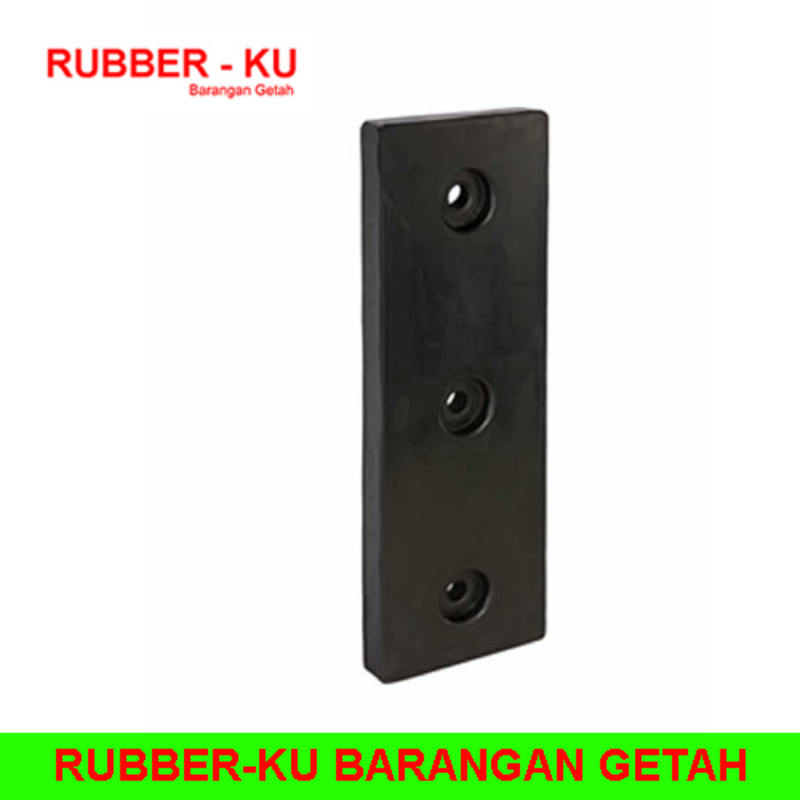
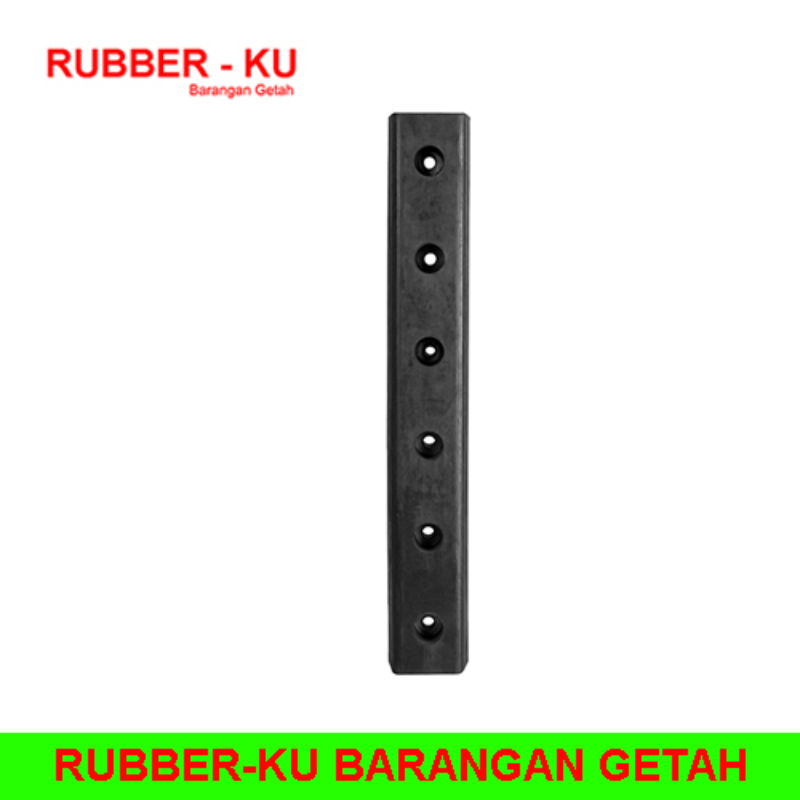
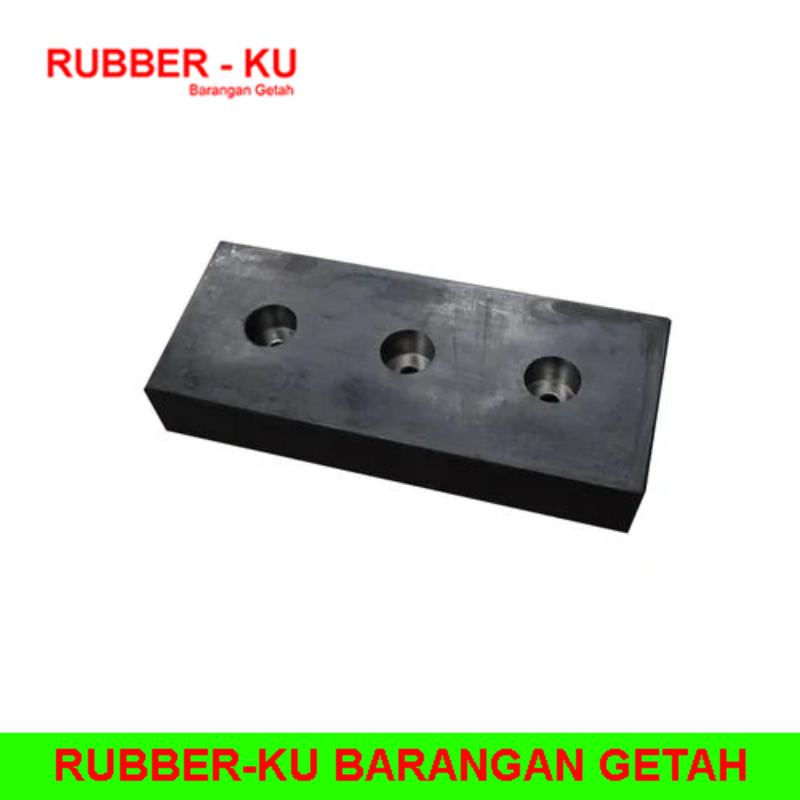
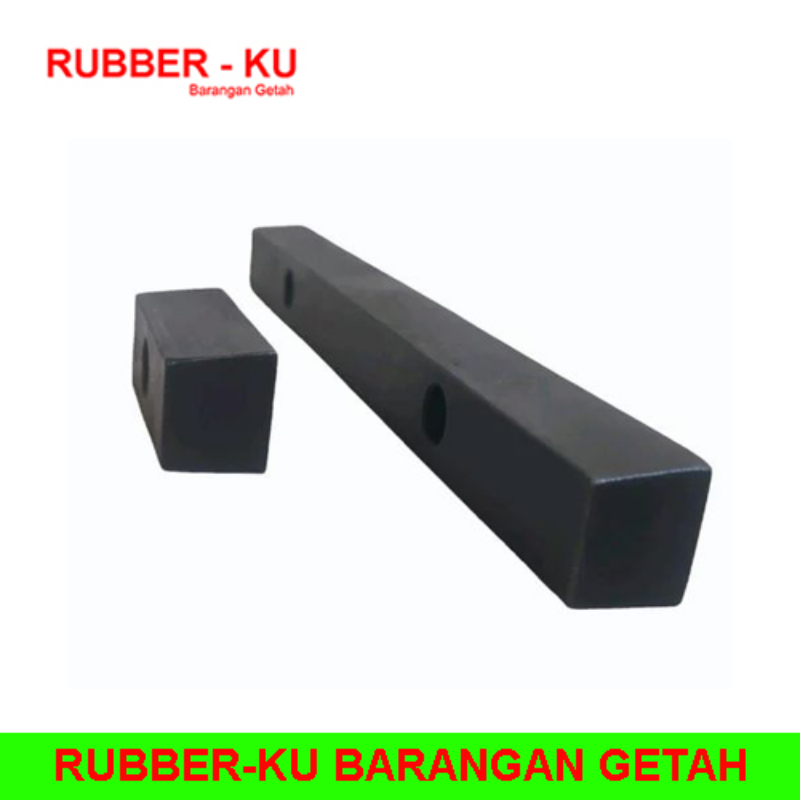
Product Description
hard rubber block | shock absorbing rubber | non marring rubber block | industrial rubber block | custom size rubber block
DIY Installation Guide: How to Mount Solid Rubber Blocks & Dock Bumpers
Installing RUBBER-KU RUBBER PRODUCTS' solid rubber blocks is a straightforward process that can be completed with basic tools. This comprehensive guide provides step-by-step instructions for the most common applications across Malaysian workshops, factories, and warehouses. Ensure a secure and effective installation to maximize the performance and lifespan of your rubber blocks.
Pre-Installation: Tools & Materials Required
Essential Tools:
- Tape Measure
- Spirit Level (Crucial for alignment)
- Power Drill
- Drill Bits (for pilot holes, suitable for your wall/floor material)
- Screwdriver or Drill Driver Bit
- Marker or Pencil
- Safety Glasses & Gloves
Essential Materials:
- RUBBER-KU Solid Rubber Block or Dock Bumper
- Mounting Hardware: Selection depends on the surface:
- For Concrete/Brick Walls: Concrete screws (e.g., Tapcon screws) or Hammer-in anchors.
- For Steel Beams/Pillars: High-strength self-drilling tek screws.
- For Wooden Structures: Robust wood screws.
- For Machinery Mounting: High-grade bolts, washers, and nuts.
- Metal Mounting Plate (Optional but Recommended for Heavy-Duty Use): A steel plate can be used to sandwich the rubber block against the wall, distributing the load more evenly and preventing pull-through.
Step-by-Step Installation Methods
Method 1: Surface Mounting to a Wall (For Dock Bumpers)
This is the most common method for installing dock bumpers on loading bay walls.
- Plan & Mark the Position:
- Determine the ideal height for the bumper, typically aligned with the impact point of trucks or forklifts (often 30-50cm from the floor).
- Hold the rubber block firmly against the wall in the desired location.
- Use a spirit level placed on top of the block to ensure it is perfectly horizontal.
- Mark the drilling points through the pre-drilled holes in the block (or mark for the mounting plate).
- Drill Pilot Holes:
- Remove the block.
- Drill pilot holes into the wall at your marked points. The drill bit diameter should be slightly smaller than the diameter of your concrete screw or anchor.
- Secure the Block:
- If using a mounting plate, secure the plate to the wall first.
- Align the rubber block with the holes.
- Using your power drill, drive the concrete screws or bolts through the block and into the wall anchors until the block is snug and secure. Avoid over-tightening, which can overly compress the rubber.
Method 2: Through-Bolt Mounting (Most Secure Method for High-Impact Areas)
Ideal for permanent, heavy-duty applications where maximum security is needed.
- Mark and Drill Through-Holes:
- Position the block and mark the hole locations.
- Use a long drill bit to drill completely through the rubber block and the wall material.
- Insert Bolts:
- Push a bolt through the front of the rubber block and the wall.
- On the other side of the wall, place a washer and nut onto the bolt thread.
- Tighten:
- Use a wrench to tighten the nut securely. This method sandwiches the wall and block between the bolt head and the nut, creating an extremely strong hold.
Method 3: Freestanding / Placement (For Jewelry & Workshop Use)
For applications like jewelry making or bench pads, installation often means simple, secure placement.
- Clean the Surface: Ensure the workbench or table surface is clean, dry, and free of debris.
- Place the Block: Simply place the rubber block on the stable, flat surface.
- Secure (Optional): For added stability and to prevent sliding during vigorous work, you can:
- Apply a few dabs of silicone sealant or a non-permanent adhesive putty to the bottom of the block before placing it.
- Secure a non-slip rubber mat underneath it.
Pro Installation Tips for Malaysian Conditions
- Surface Preparation: For concrete walls in older Malaysian buildings, ensure the surface is sound. Repair any crumbled or soft concrete before installation to ensure a solid anchor.
- Hardware Choice: In humid coastal areas (e.g., Penang, Johor Bahru), use stainless steel or galvanized hardware to prevent rust and corrosion.
- Spacing for Dock Bumpers: Install multiple bumpers with consistent spacing to create a protective wall system. A common practice is to place them 1 to 1.5 meters apart.
- Check Tightness Periodically: Especially in high-vibration environments, check the tightness of bolts and screws every few months and re-tighten if necessary.
- Noise Reduction: For machinery mounting, ensure the rubber block is not bolted too tightly; it needs to compress slightly to effectively absorb vibration.
Applications and Their Recommended Installation Method
|
Application |
Recommended Installation Method |
Reason |
|
Jewelry Making Block |
Freestanding / Non-slip mat |
Requires easy mobility and no permanent damage to the workbench. |
|
Machinery Vibration Pad |
Freestanding under equipment legs |
Allows the rubber to perform its isolating function. |
|
Light-Duty Dock Bumper |
Surface Mount with Concrete Screws |
Provides a strong, permanent hold for regular impacts. |
|
Heavy-Duty Dock Bumper |
Through-Bolt Mounting |
Maximum security for high-energy impacts from trucks. |
|
Marine Fender |
Through-Bolt with Stainless Hardware |
Withstands constant wave action and a corrosive saltwater environment. |
Strong Call to Action (CTA):
Need Hardware Advice or Professional Installation Services?
Unsure about the best mounting method for your specific wall material in Kuala Lumpur, Selangor, or Johor? Our team can advise on the correct hardware and methods.
Contact RUBBER-KU RUBBER PRODUCTS for support:
- For DIY Advice: Call us for tips on drilling into Malaysian concrete or selecting anchors.
- For Professional Installation: Ask for a quote from our network of trusted installers.
Contact Details
hard rubber block | shock absorbing rubber | non marring rubber block | industrial rubber block | custom size rubber block
| Supplier | : | RUBBER-KU RUBBER PRODUCTS |
| : | rubberku@gmail.com | |
| Phone | : | +603 5191 7961 |
| Fax | : | +603 5191 5961 |
| Location | : | Selangor, Malaysia |
Enquiry Box
Other Products
 Loading...Please Wait.