
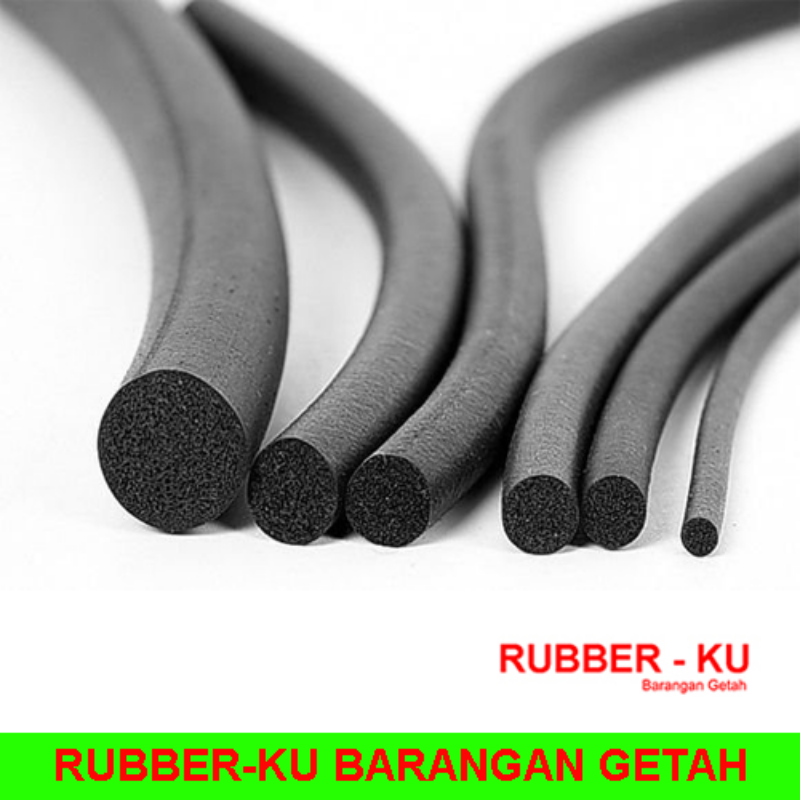
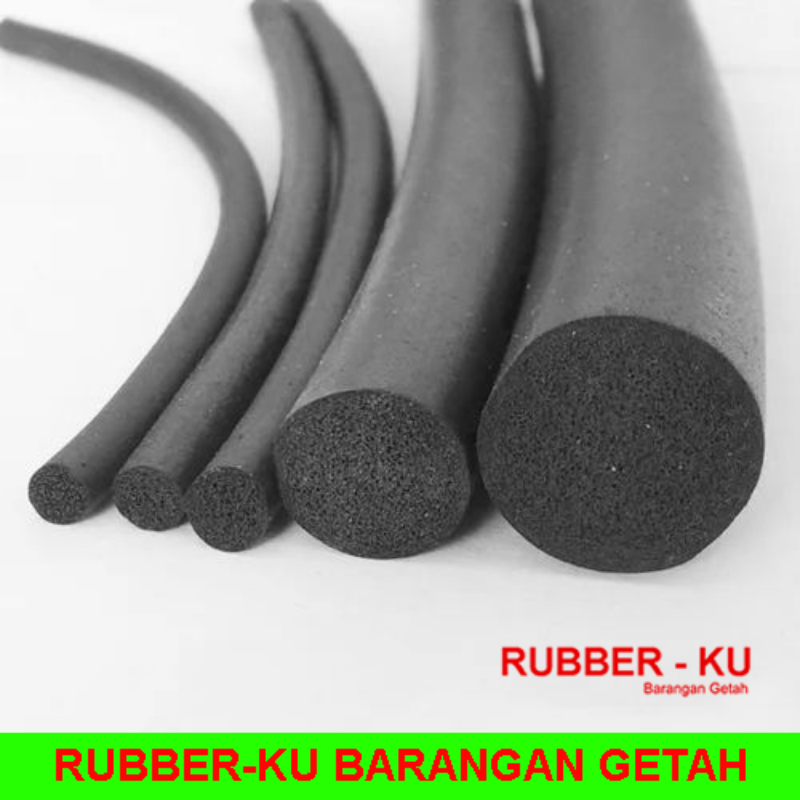
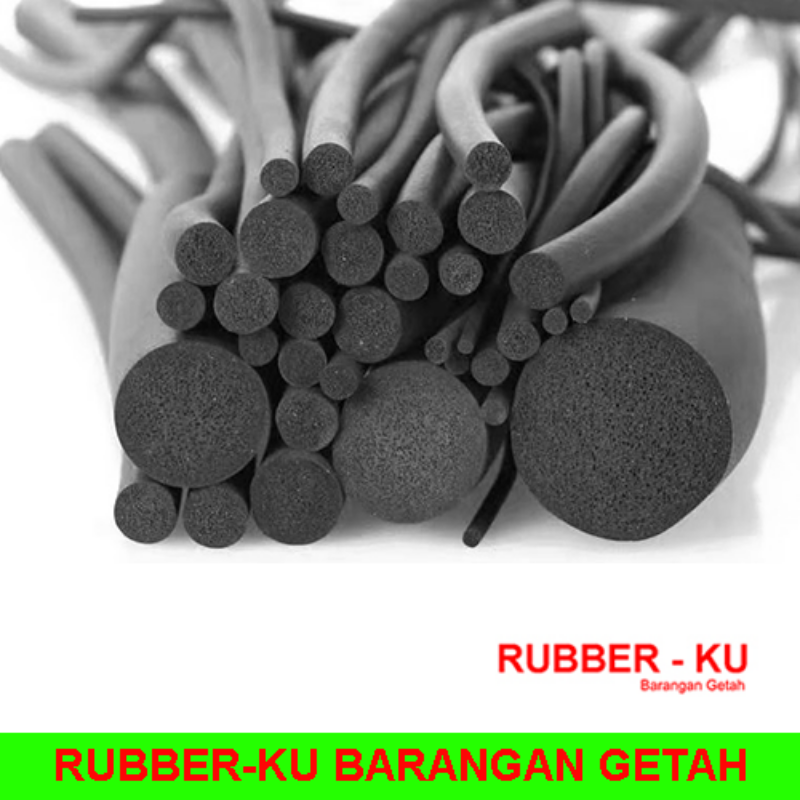
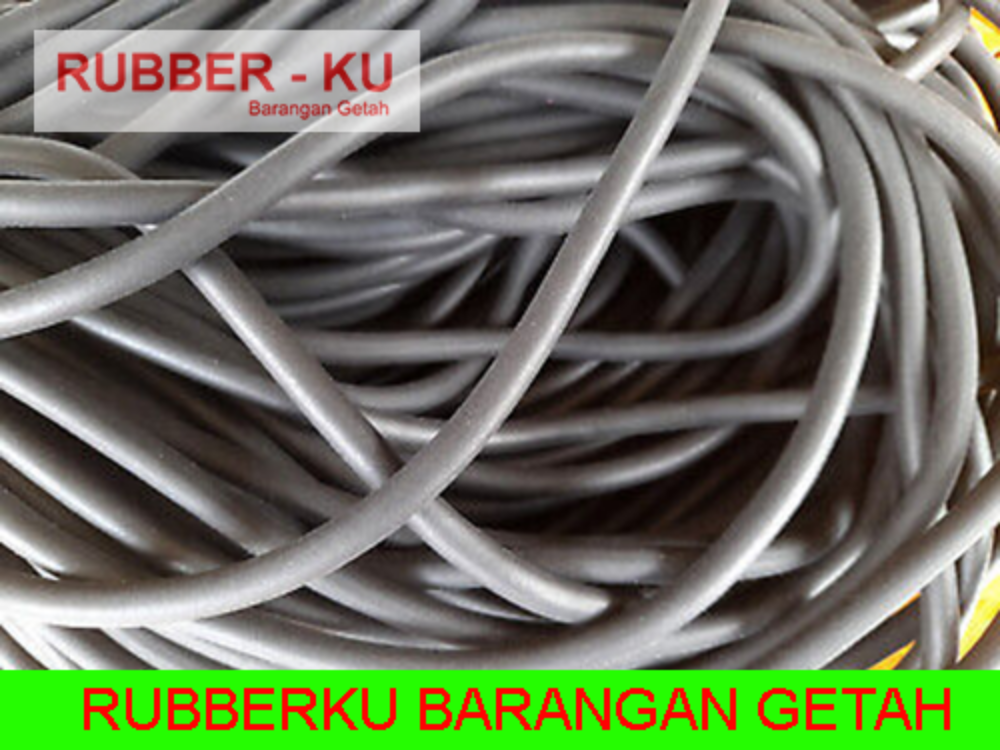
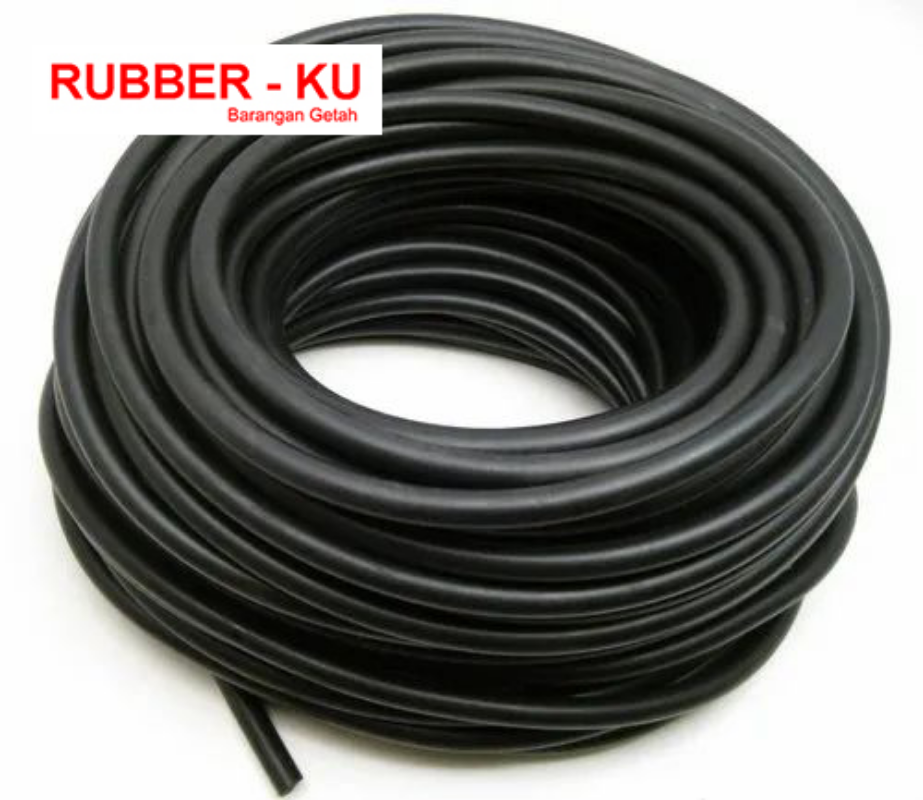
Product Description
EPDM Foam Gasket Cord | EPDM Rubber Insulation Cord | High Density EPDM Sponge Cord | Low Density EPDM Sponge Cord | Industrial EPDM Rubber Supplier
Installation Guide for Round Shaped EPDM Sponge Cord
RUBBER-KU RUBBER PRODUCTS – Professional EPDM Sponge Cord Installation Methods
Proper installation of Round Shaped EPDM Sponge Cord is critical to ensure maximum sealing performance, waterproof protection, vibration absorption, and long-term durability. As a closed-cell EPDM rubber sealing material, correct handling and installation techniques directly affect service life and sealing efficiency.
Below is a technical and industrial-grade installation guide used by contractors, engineers, and OEM manufacturers.
1. Surface Preparation Method (Very Important Step)
Before installation, the surface must be properly prepared to ensure strong adhesion and effective sealing.
Steps:
- Clean the surface thoroughly using dry cloth or solvent cleaner
- Remove all dust, oil, grease, rust, and moisture
- Ensure surface is completely dry before installation
- Smooth uneven edges if necessary
- Check for cracks or gaps that need filling
Technical Importance:
Proper surface preparation ensures:
- Strong bonding (if adhesive type is used)
- Better compression sealing
- Longer service life
- No leakage points
2. Measurement & Cutting Method
Steps:
- Measure the required sealing length accurately
- Add 3–5% extra length for compression allowance
- Cut EPDM sponge cord using sharp blade or industrial cutter
- Ensure clean, straight cut edges
Technical Tips:
- Avoid crushing the sponge during cutting
- Use sharp tools to prevent deformation
- For precision sealing, pre-fit before final installation
3. Direct Compression Fit Installation Method (No Adhesive)
This is the simplest installation method used in many industrial applications.
Steps:
- Place EPDM sponge cord into the sealing groove or gap
- Press gently into position
- Allow material to compress naturally
- Ensure full contact along the sealing surface
Applications:
- Door seals
- Window frames
- Machinery covers
- Panel enclosures
Advantages:
- Fast installation
- No chemical adhesive required
- Easy replacement
- Clean finishing
4. Adhesive Backed Installation Method (Strong Bonding Method)
Used when permanent bonding is required.
Steps:
- Apply industrial-grade adhesive (rubber cement or contact adhesive)
- Apply evenly on surface or sponge cord
- Wait until adhesive becomes tacky (semi-dry)
- Press sponge cord firmly into position
- Maintain pressure for proper bonding
Recommended Adhesives:
- Contact adhesive
- Rubber-based adhesive
- Industrial double-sided tape (for light duty)
Applications:
- HVAC sealing systems
- Automotive panels
- Construction joints
- Electrical enclosures
5. Groove / Channel Installation Method
Used in engineered systems with designed sealing channels.
Steps:
- Insert EPDM sponge cord into pre-designed groove
- Ensure uniform compression fit
- Press evenly along full length
- Confirm no gaps or twisting
Applications:
- Aluminum frames
- Curtain wall systems
- Glass glazing systems
- Industrial housings
Technical Advantage:
- Controlled compression
- Strong mechanical sealing
- High durability performance
6. End-to-End Joint Installation Method
Used when forming continuous sealing loops.
Steps:
- Cut both ends cleanly at 90° or angled cut
- Apply adhesive to both ends
- Join ends together firmly
- Hold until fully bonded
- Allow curing time before use
Optional Methods:
- Butt joint (straight cut)
- Angled joint (stronger bonding)
Applications:
- Circular gasket rings
- Enclosure sealing
- Pipe sealing systems
7. Compression Adjustment Method
Correct compression is essential for sealing efficiency.
Guidelines:
- Ideal compression: 10% – 30%
- Avoid over-compression (causes permanent deformation)
- Ensure uniform pressure along entire length
- Check sealing contact after installation
Technical Result:
- Proper sealing force
- No air leakage
- Long-lasting elasticity
8. Corner Installation Method
For rectangular or frame sealing applications.
Steps:
- Cut corners at 45° angle for neat joints
- Join edges carefully using adhesive
- Ensure smooth corner transition
- Avoid gaps at junction points
Applications:
- Window frames
- Door frames
- Electrical cabinets
- HVAC panels
9. Expansion & Movement Allowance Method
EPDM sponge cord must allow structural movement.
Guidelines:
- Leave slight expansion allowance at joints
- Do not stretch material during installation
- Allow natural compression movement
- Ensure flexibility at structural joints
Applications:
- Construction expansion joints
- Building façade systems
- Bridge sealing systems
10. Final Inspection Method
After installation, perform final quality check.
Checklist:
- Check for uniform compression
- Ensure no visible gaps
- Confirm full surface contact
- Test waterproof sealing (if applicable)
- Check flexibility and rebound
- Inspect joint bonding strength
Technical Installation Tips (Professional Use)
- Do not stretch EPDM sponge cord during installation
- Avoid sharp bending that causes deformation
- Ensure clean cutting for perfect joints
- Use correct diameter size for proper compression
- Store material in dry environment before use
- Avoid oil or petroleum contamination during installation
Common Installation Mistakes to Avoid
- Over-compression beyond recommended range
- Using wrong adhesive type
- Dirty or oily surface during installation
- Improper cutting of joints
- Stretching sponge cord during fitting
- Ignoring corner sealing alignment
Industrial Application-Based Installation Summary
Automotive Installation
- Press-fit into door and window channels
- Adhesive reinforcement for vibration control
Construction Installation
- Groove installation in aluminum frames
- Expansion joint sealing with adhesive bonding
HVAC Installation
- Adhesive-backed duct sealing
- Compression fit in air conditioning panels
Electrical Installation
- Press-fit sealing in enclosures
- Dust and waterproof protection systems
Final Technical Summary
RUBBER-KU Round Shaped EPDM Sponge Cord installation methods are designed to ensure:
- Maximum sealing efficiency
- Long-term durability
- Waterproof protection
- Vibration absorption
- Thermal insulation
- Industrial reliability
Correct installation guarantees optimal performance of EPDM sponge rubber in all industrial environments.
RUBBER-KU Installation Recommendation
For best performance, RUBBER-KU recommends:
- Correct diameter selection
- Proper surface preparation
- Controlled compression fitting (10–30%)
- Suitable adhesive usage when required
- Professional installation for critical applications
Contact Details
EPDM Foam Gasket Cord | EPDM Rubber Insulation Cord | High Density EPDM Sponge Cord | Low Density EPDM Sponge Cord | Industrial EPDM Rubber Supplier
| Supplier | : | RUBBER-KU RUBBER PRODUCTS |
| : | rubberku@gmail.com | |
| Phone | : | +603 5191 7961 |
| Fax | : | +603 5191 5961 |
| Location | : | Selangor, Malaysia |
Enquiry Box
Other Products
 Loading...Please Wait.