
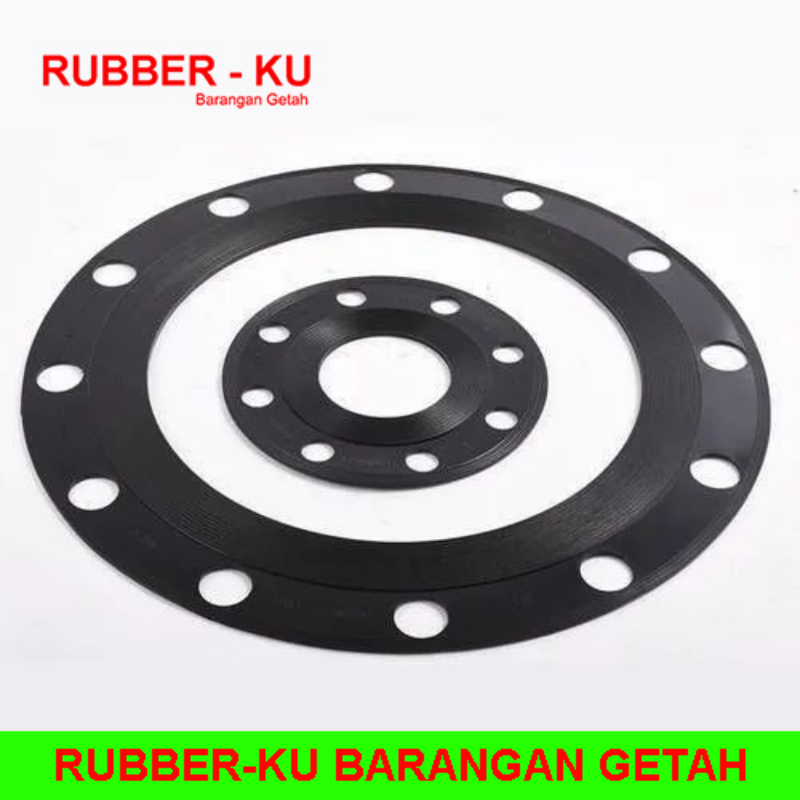
What is the EPDM Gasket | EPDM VS Silicone Gasket | EPDM Gasket Supplier in Selangor
EPDM is a type of synthetic rubber created by mixing various proportions of ethylene, propylene, and diene. The major component is ethylene, which takes up 45% to 75%, while diene monomers give EPDM its cross-linking structure that provides great flexibility, resilience, and durability. EPDM’s molecular mesh structure also gives it superior elasticity and resistance to aging.
EPDM Rubber Sheet | Rubber Sheet Smooth Surface | EPDM Sheet | Ethylene Propylene Diene Monomer sheet
Gaskets are crucial sealing and cushioning materials for various residential, commercial, and industrial uses. Selecting the right kind of polymer for the gaskets is key to preventing repair costs, downtime, and other adverse effects should the sealing fail.
Silicone and EPDM (ethylene propylene diene monomer) are popular materials used for gaskets. However, their properties have different pros and cons for certain applications, so the best material choice depends on your industry or application.
Read on to learn more as we discuss the differences between EPDM vs. Silicone gaskets, including their respective properties, compositions, benefits, and applications.
What Is EPDM?
EPDM is a type of synthetic rubber created by mixing various proportions of ethylene, propylene, and diene. The major component is ethylene, which takes up 45% to 75%, while diene monomers give EPDM its cross-linking structure that provides great flexibility, resilience, and durability. EPDM’s molecular mesh structure also gives it superior elasticity and resistance to aging.
EPDM rubber is resistant to heat, cold, ozone, steam, electricity, UV rays, abrasion, and water, so it is preferred for various outdoor and harsh environments. Some of its applications include non-slip coatings for decks, cooling system hoses, roofing, HVAC systems, plumbing, and window and door seals in vehicles.
Pros & Cons of EPDM
Here is an overview of the advantages of using EPDM gaskets:
- Lower cost than silicone: EPDM is a great choice if you are looking for a cost-effective option with excellent performance in harsh outdoor conditions.
- Water resistance: EPDM is more resistant to water than other rubbers, so it’s a popular choice for roofing and plumbing.
- Steam resistance: This rubber can function in steam conditions up to 392 °F without air and remains stable in high temperatures.
- Abrasion and weather resistance: EPDM rubber has excellent resistance to abrasion and can withstand the degrading effects of ozone, weathering, and UV ray exposure.
- High tensile strength: EPDM has a higher tensile strength compared to silicone and other polymers.
EPDM has some disadvantages in certain applications:
- Not food-safe: EPDM rubber is unsafe for food applications due to its chemistry and formulation.
- Does not withstand automotive fluids: EPDM breaks down with exposure to automotive fluids such as hydrocarbon fuel, grease, and oil.