
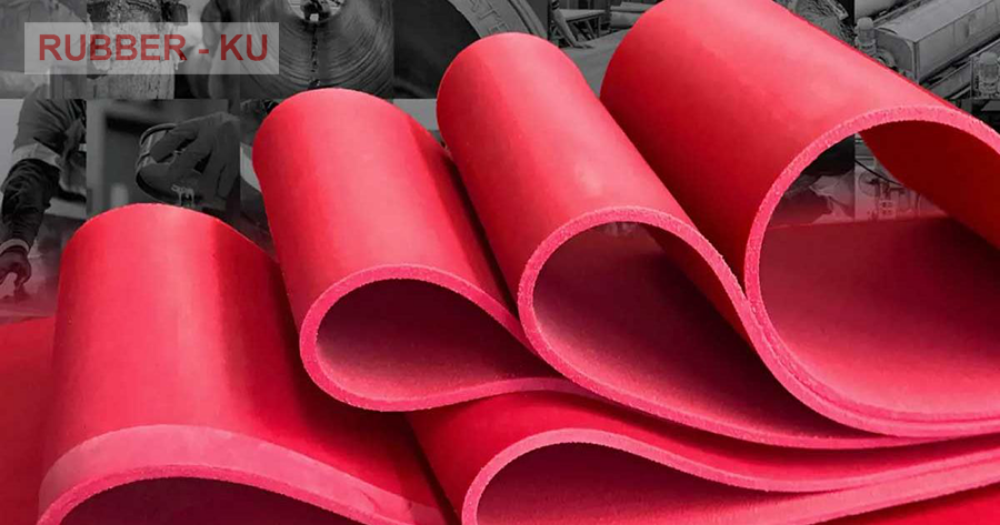
What is Latex Sheet | How it Latex Sheet use for | What is Latex Sheet Applications
What is Latex Sheet | How it Latex Sheet use for | What is Latex Sheet Applications
Latex Sheet | Natural Rubber Sheet | Red Rubber Sheet
WHAT IS LATEX MADE OF?
What is latex made of? The simplest answer: latex is rubber, or rather, the precursor to vulcanised rubber. Typically, the composition of latex is roughly fifty-five percent water and around forty percent rubber material.
Latex is the soft white substance found beneath the bark of a mature rubber tree. You may be surprised to think of latex as a natural material, given the strength and man-made feel of so many of its final applications, like tires, rubber gloves, and tennis shoes.
The truth is, natural rubber latex does, in fact, come from nature. Before it is processed, rubber tappers harvest latex from trees using a method that has been passed down for generations.
WHERE DOES LATEX COME FROM?
Most natural rubber latex comes from one species of rubber tree, Hevea brasiliensis. The composition of latex from different trees varies, but the most common one is native to South America. The tree also thrives in Southeast Asian plantations.
Latex lives just beneath the bark of these rubber trees. When tappers peel back the bark, they disrupt the plant ducts to reveal latex, a milky white substance. From there, they can harvest the latex and send it off to be processed.
HOW IS LATEX HARVESTED?
The latex harvesting process can only begin once a rubber tree is mature—about five years old. At this point, the tree is ready to start producing rubber.
To tap a rubber tree, tappers remove thin strips of bark. Doing so disrupts the plant ducts, which contain latex. Disrupting these ducts allows the latex material to flow down grooves that the tappers cut into the tree and into large cups.
Tappers tend to these cups, collecting the latex when they become full and replacing the collection cups to continue harvesting from the tree until it is appropriately tapped.
HOW IS LATEX PROCESSED INTO RUBBER?
The rubber creation process begins at the point of harvesting, when they take latex sap from rubber trees.
Next, companies filter the rubber latex so it can be packaged in drums for its next destination.
Once latex is ready to be made into smoked sheets of rubber, companies add acid to the latex. This causes the material to clump. The clumped fluid is then rolled into sheets in a mill. This process removes water from the latex material, so the sheets can be dried and smoked.
Finally, latex is prevulcanized. Prevulcanization involves chemical treatments and gentle heating at low temperatures. Once latex is prevulcanized, it is more convenient to transport. With more heating, the rubber latex material can now be made into regular rubber.
SYNTHETIC LATEX
Of course, not all latex materials are naturally occurring. Some latex is synthetic, composed of petroleum-based chemicals. These chemicals are used to create synthetic rubber polymers, which are clumped and dried, and then transported to a manufacturing plant.
The manufacturing plant then mixes the synthetic rubber polymers. Sometimes, they mix in additional ingredients, depending on the end product for the synthetic latex.
The plant rolls the rubber into sheets and cuts them into sheets for further processing.
The most common synthetic rubber processing techniques are:
- Extrusion
- Injection Moulding
- Compression Moulding
- Latex Dipping
During extrusion, you feed the rubber polymer compound into the extruder, which heats it and compresses the latex material. This is done by the barrel and screw of the extruder. The polymer compound is then forced through a small opening to be vulcanised or cured.
Injection moulding involves mixing rubber strips. Using high pressure, they are forced into a mould. Once in the mould, heat vulcanises the rubber.
Compression moulding starts with preforms of rubber compound. The preforms are shaped into a mould with compression, pressure, and vulcanisation.
Latex dipping involves dipping a specialised mould into a prepared latex solution repeatedly to achieve a specific thickness and shape. Latex dipping is a valuable method for producing specialised shapes and hollow products, such as handles and grips, gloves, medical products such as tubing and balloons, and more.
ALTERNATIVE NATURAL RUBBER LATEX
The tire industry has invested considerable resources into investigating naturally occurring alternatives to natural rubber latex. Natural rubber latex is a tremendously valuable material with highly desirable properties, but there are some challenges and risks associated with relying too heavily on this material. The largest risk factors are:
- Vulnerability. Natural rubber latex is largely grown in areas where natural disasters and political instability can threaten the availability of the latex material. This makes for a fragile supply chain and severe consequences in the event of a major disruption.
LATEX MATERIAL PROPERTIES
After processing, rubber latex is an impressive material.
Rubber latex is known for its tensile and elongation abilities, as well as tear resistance and overall resilience. Most common abrasives will not bother latex.
Low temperatures are not a threat to rubber latex, but high temperatures can pose an issue. Above eighty-two degrees, latex can begin to corrode. Manufacturers and compounders can add treatment chemicals to protect latex rubber from corrosion due to heat, sunlight, and oxygen.
It is also best not to use latex rubber alongside petroleum products and solvents. Excess exposure to these materials can cause the latex material to break down.
HOW LATEX IS TESTED
Latex testing is an excellent tool for assessing the quality and purity of latex. Common latex tests include:
- Viscosity testing. Viscosity testing is used to quantify the pre-vulcanization characteristics of latex. This is especially important given the fact that latex behaves like a non-Newtonian fluid.
- Mechanical stability testing (MST). MST assessments are vital for understanding the stability of latex prior to shipping. This testing is used to determine whether the latex material is immature or starting to coagulate, which is important for understanding shelf life. ISO and ASTM standards have been developed for MST assessments of latex.
- % solids testing. % solids testing is a method for understanding the composition of latex and quantifying the total solid content of a latex material, which is crucial to understand before further processing can take place.
- Metals analysis via ICP. This method quantifies metals found in latex materials, which is critical for understanding the composition of latex.
LATEX APPLICATIONS
Latex has a wide variety of applications, ranging from everyday items to more specialised uses.
Natural rubber latex is most commonly used to make items like gloves, swim caps, chewing gum, mattresses, catheters, rubber bands, balloons, tennis shoes, and many other sporting goods. The world’s largest consumer of natural rubber latex, however, is the tire industry.
Synthetic latexes are common in coatings, like latex paint. You’ll also find them in glues, thanks to their ability to solidify as water evaporates from the polymer particles in the latex. Synthetic latex can also be added to cement used for resurfacing and patching cracks in cement surfaces.